Location: Nicosia City Centre

  • NICOSIA TOWER (ALEXANDROU DIMITRIOU TOWER)

    NICOSIA TOWER (ALEXANDROU DIMITRIOU TOWER)

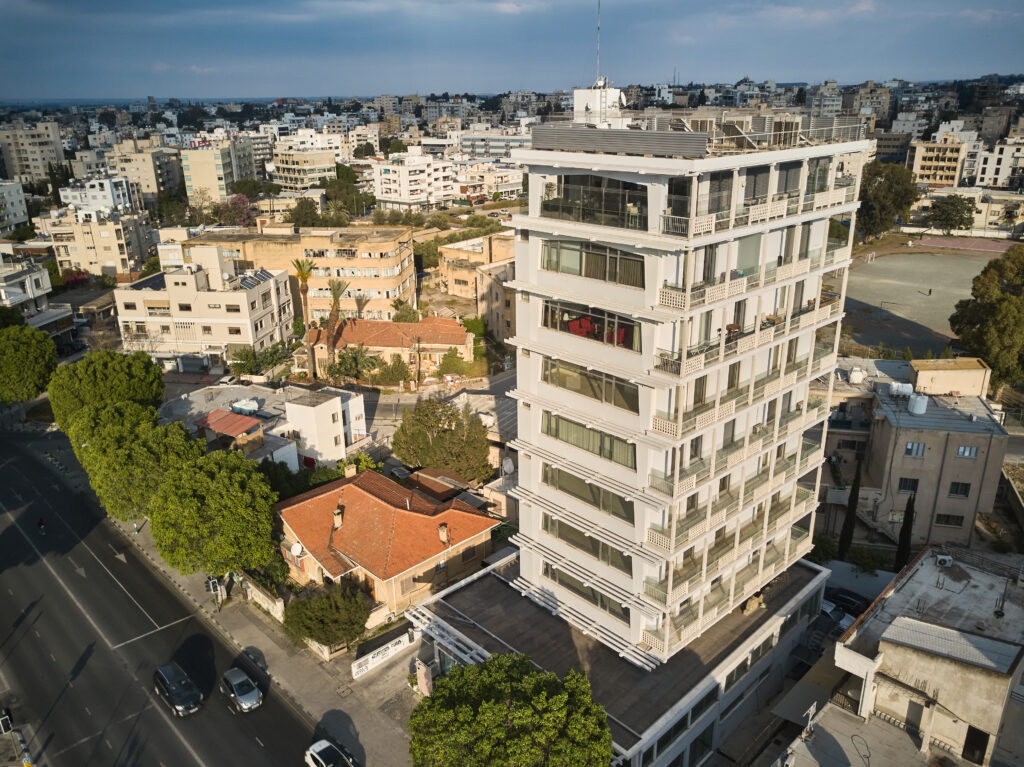
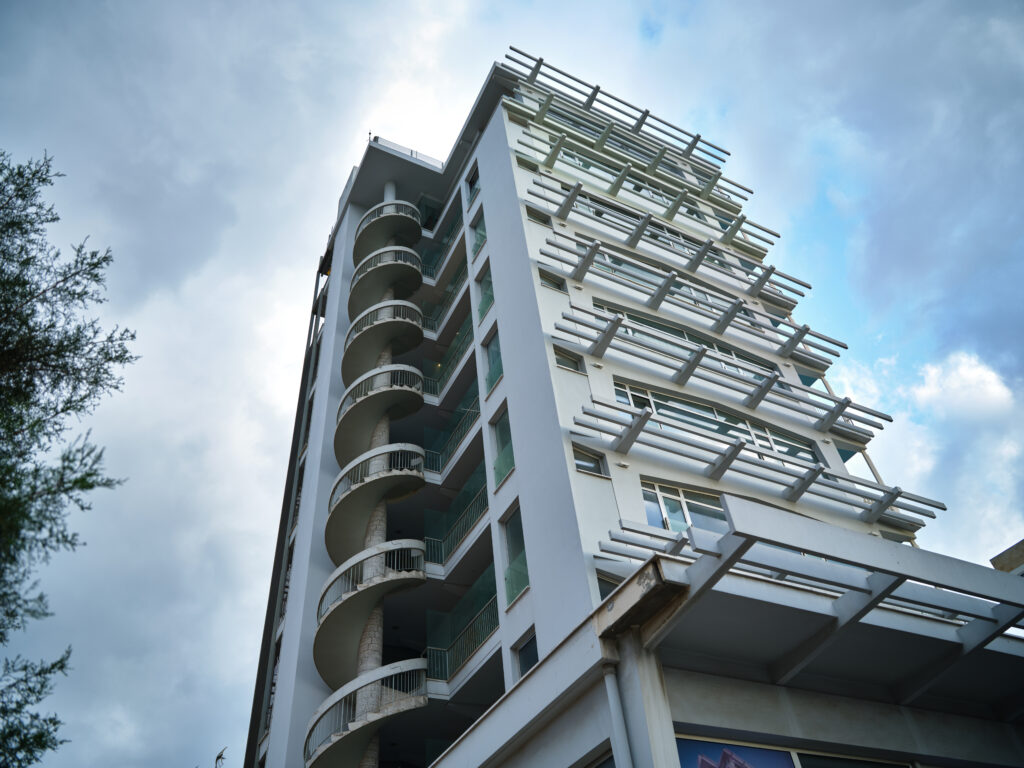
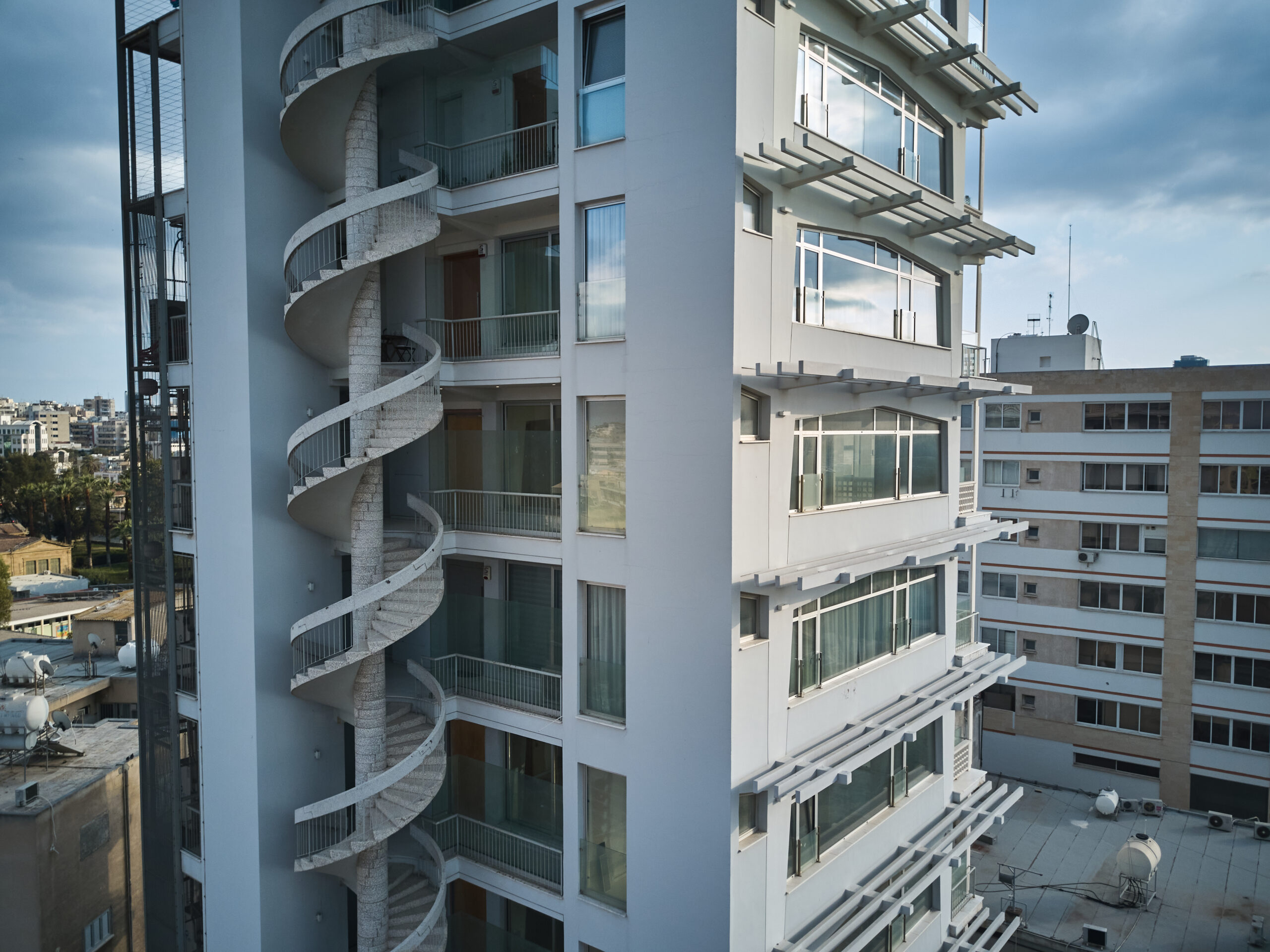
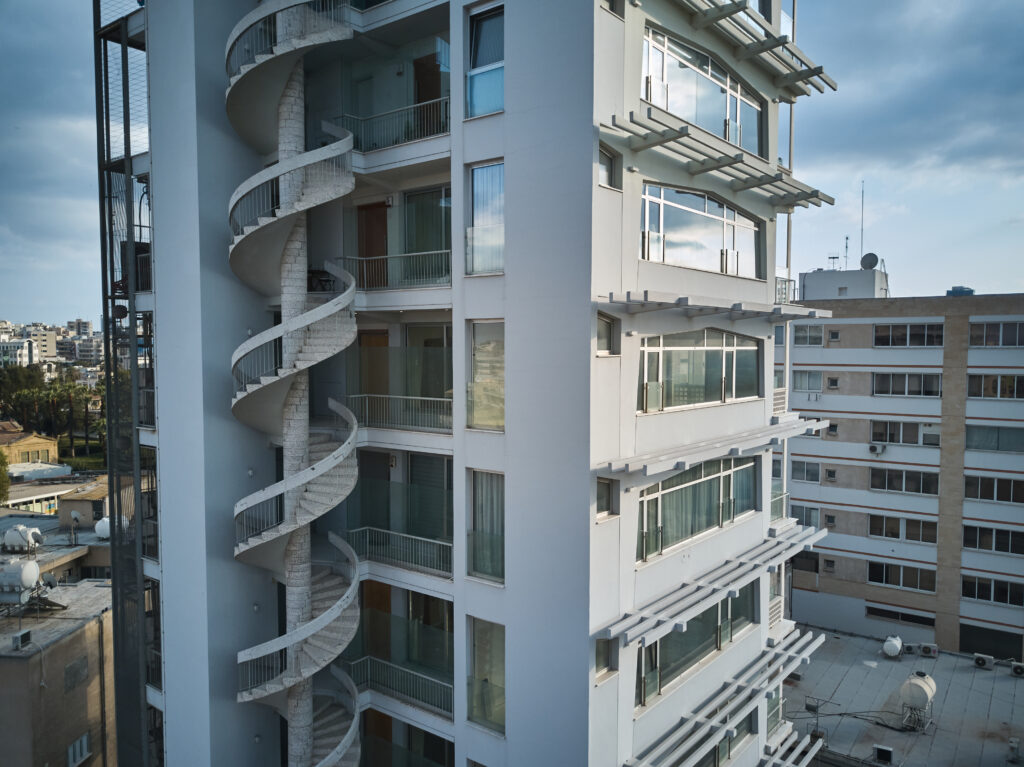
    The Alexandros Dimitriou Building (1961), designed by Neoptolemos Michaelides, is one of the first modern buildings outside the walls of Nicosia. Originally conceived as a small commercial center with exhibition spaces and offices, it stands out for its functional layout and pioneering structural design without intermediate columns. Sixty years later, after renovation by Iereides and Michael Architects, the ground floor continues to host commercial use, while each upper floor now contains a single apartment, offering modern residences with panoramic views of the city walls and Nicosia’s historic monuments.

    Photos: Iereides and Michael Architects
  • STATE GALLERY OF CONTEMPORARY ART – MAJESTIC

    STATE GALLERY OF CONTEMPORARY ART – MAJESTIC

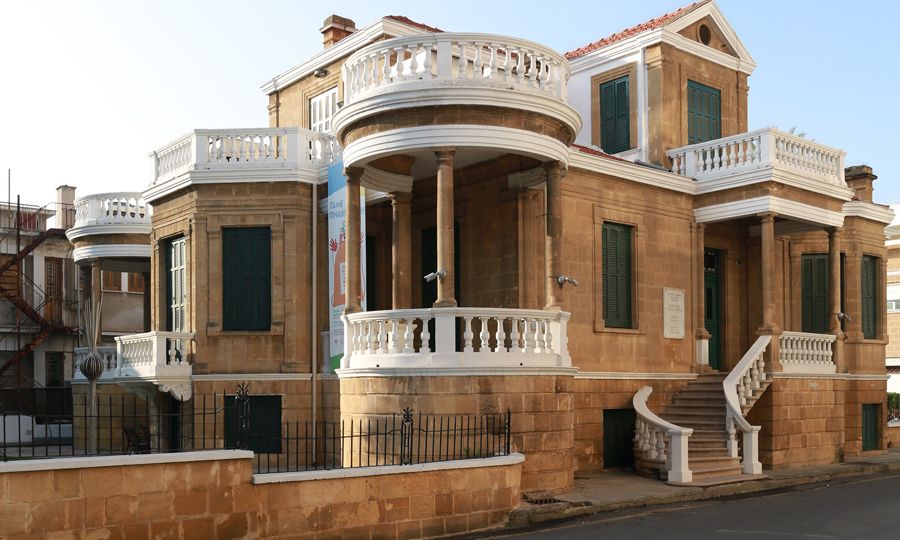
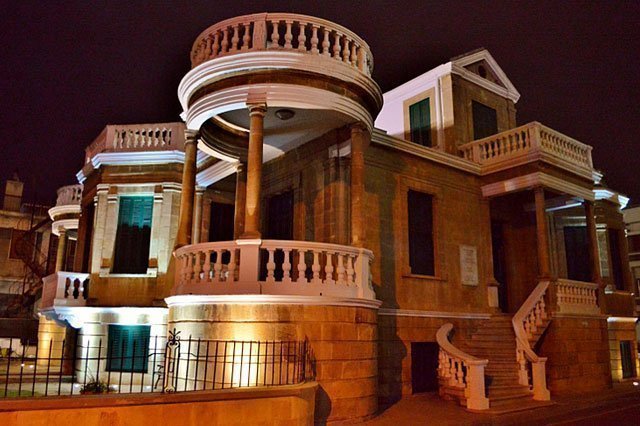
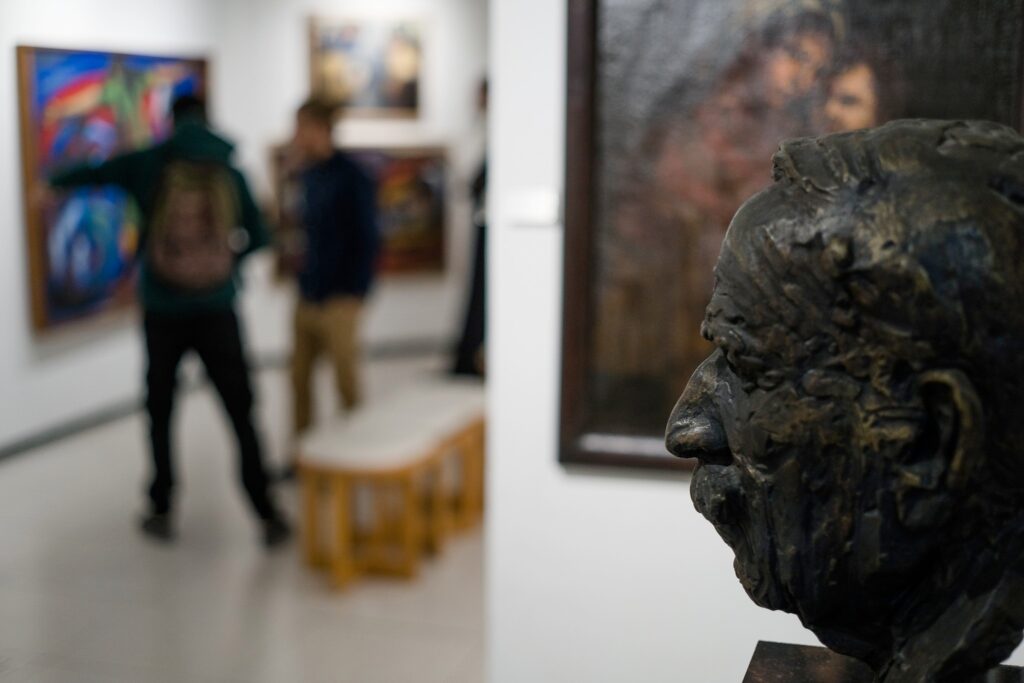
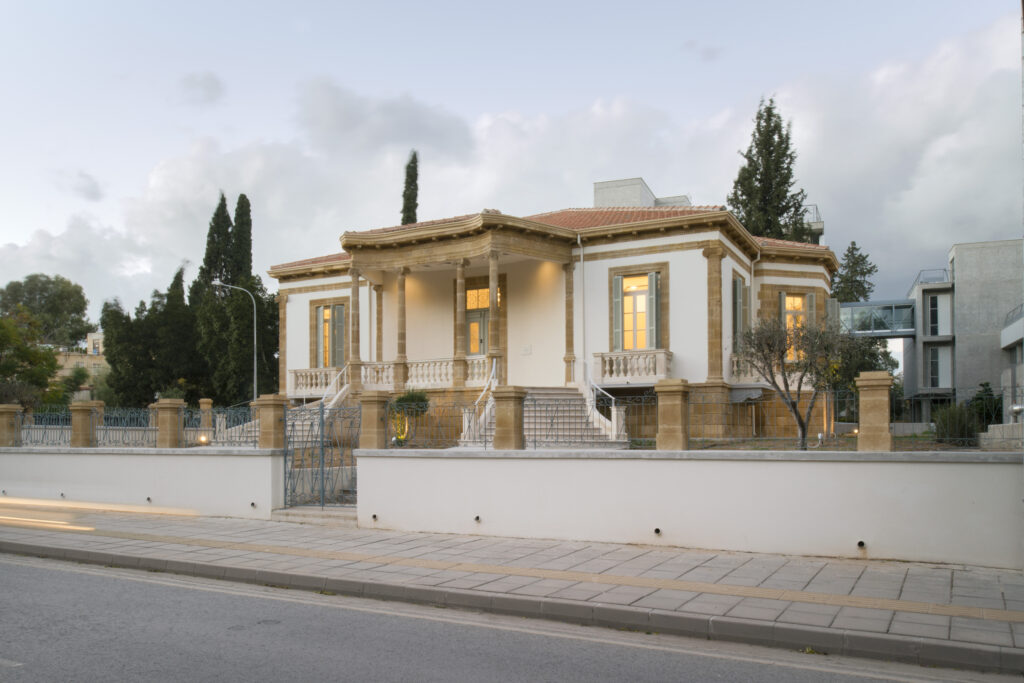
    The State Gallery of Contemporary Cypriot Art is housed in a landmark building dating from 1925–26, a characteristic example of colonial and neoclassical architecture in Nicosia. Originally a residence, the building was adaptively reused and transformed into a cultural venue, preserving its historic identity. Its stone-built structure, symmetrical openings, and decorative elements form a balanced architectural composition, while hosting significant collections of contemporary Cypriot art.

    Photos: State Gallery of Contemporary Cypriot Art

  • CRANKY MICROROASTERY

    CRANKY MICROROASTERY

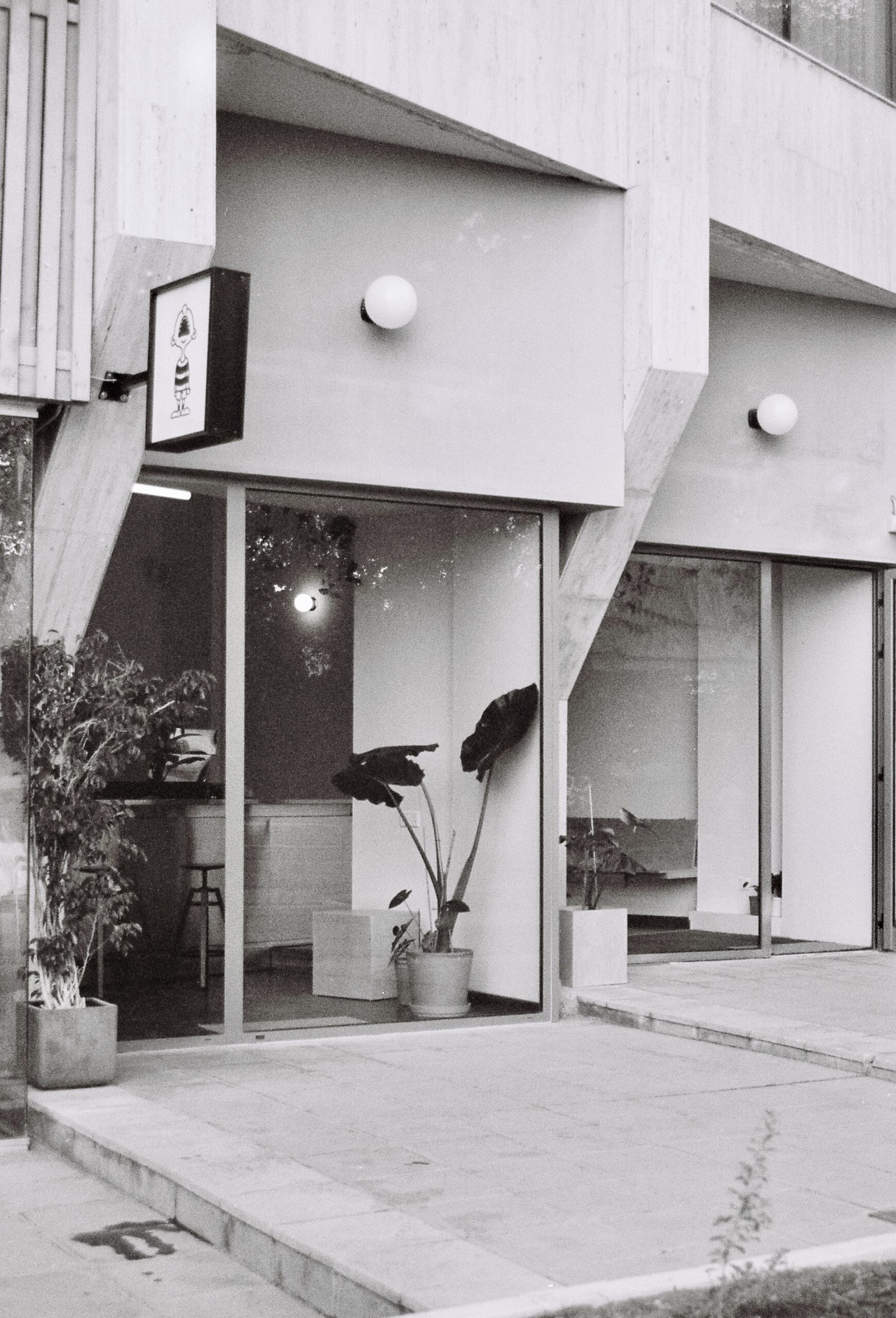
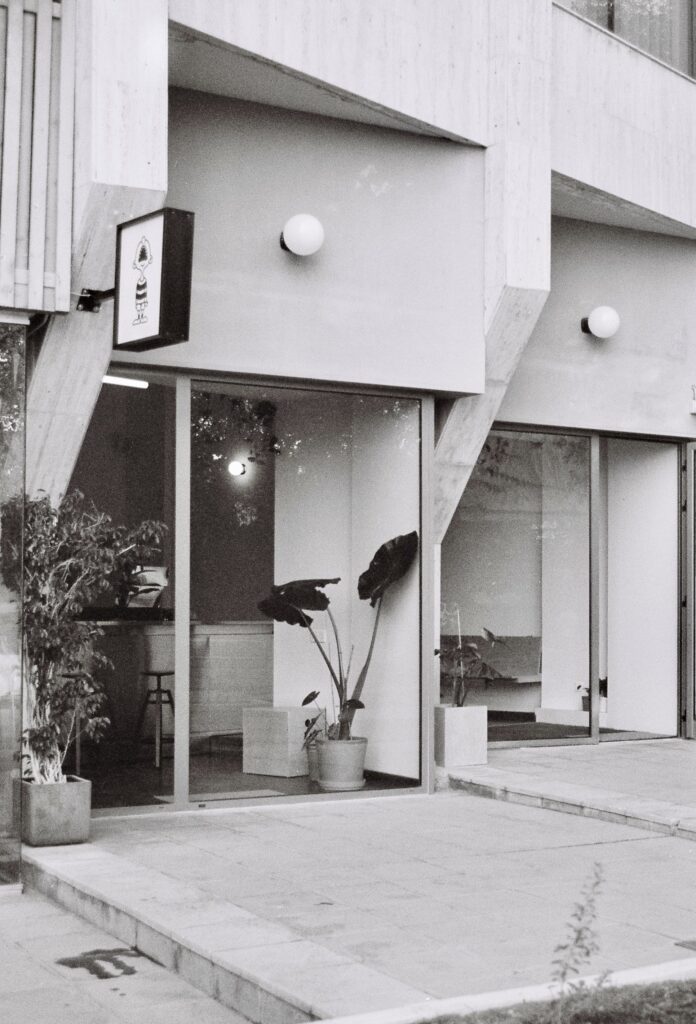
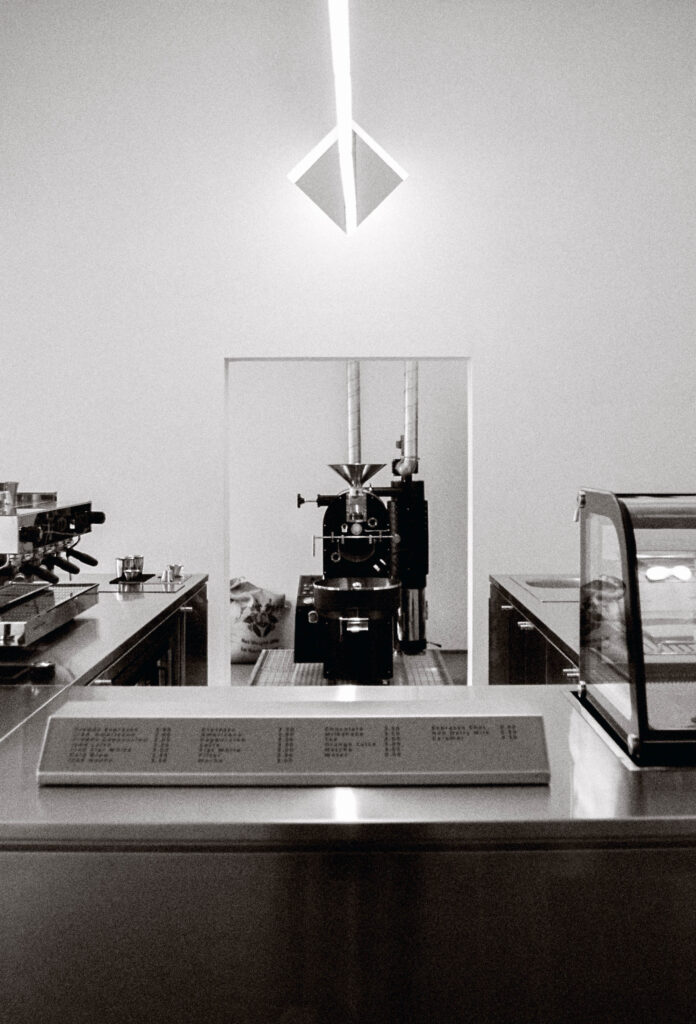
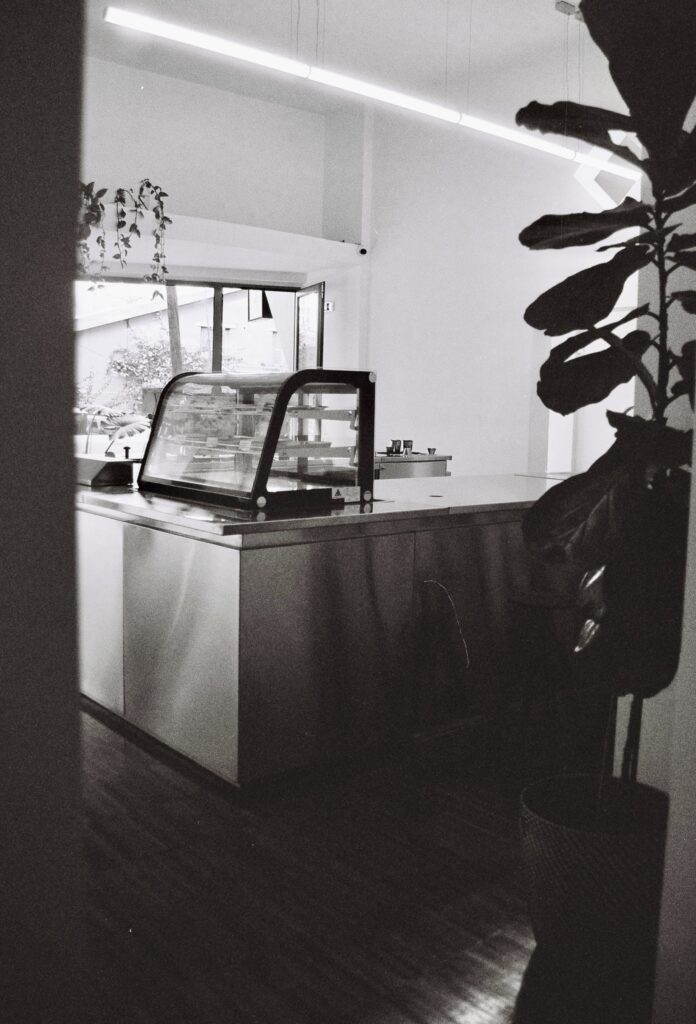
    Cranky Microroastery, designed by VIIBE Architects, unifies three independent shops into a single café and micro-roastery. The design leverages the existing building with minimal interventions, integrating the new program through an adaptive reuse strategy. The central element is a linear counter that connects production, processing, preparation, and consumption, organizing all other functions around it. Designed as a modular system, the counter can be fully disassembled and relocated to a new space, maintaining its functional autonomy while leaving a zero footprint on the existing structure.

    Photos: VIIBE Architects
  • 360 NICOSIA

    360 NICOSIA

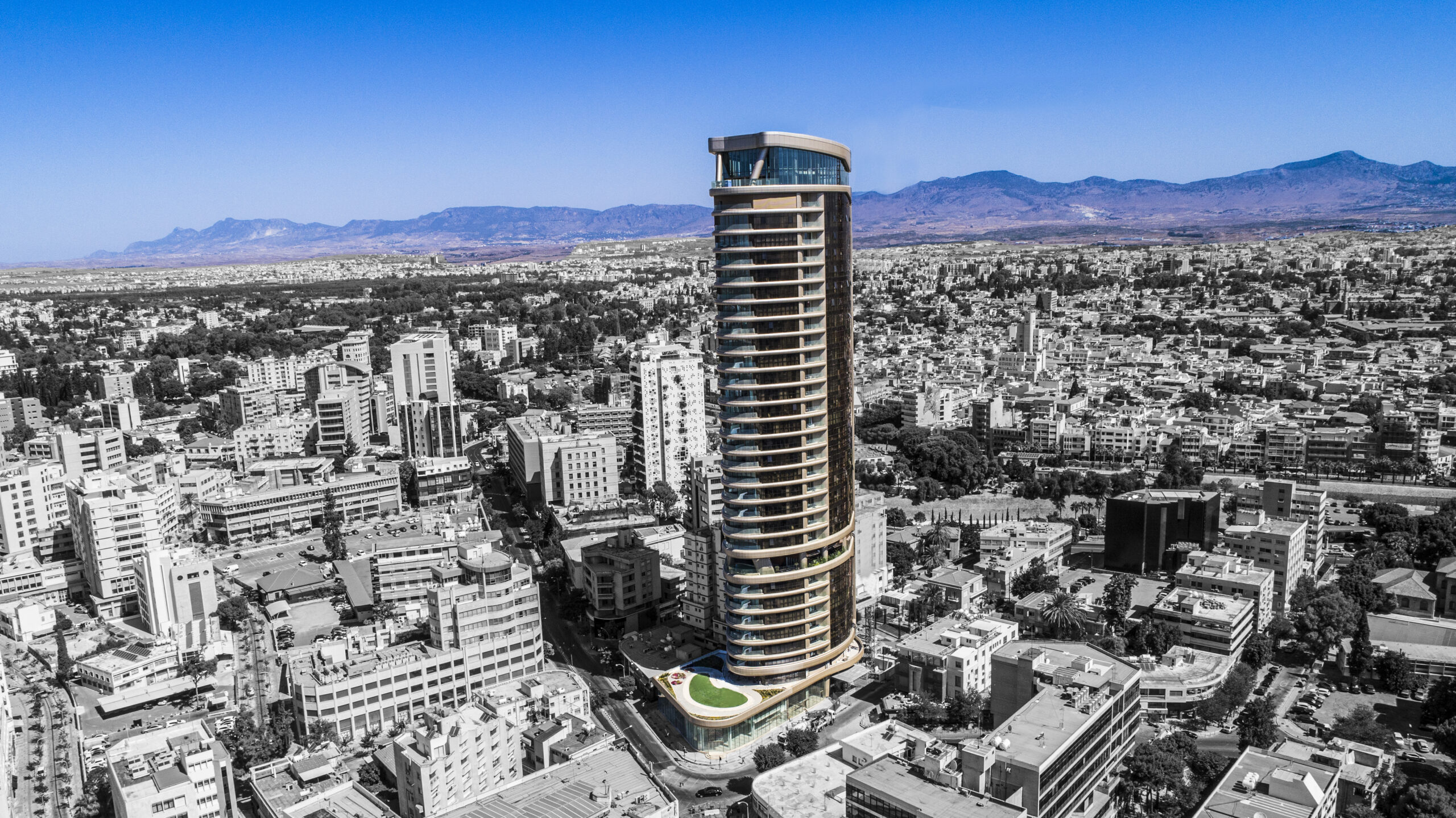
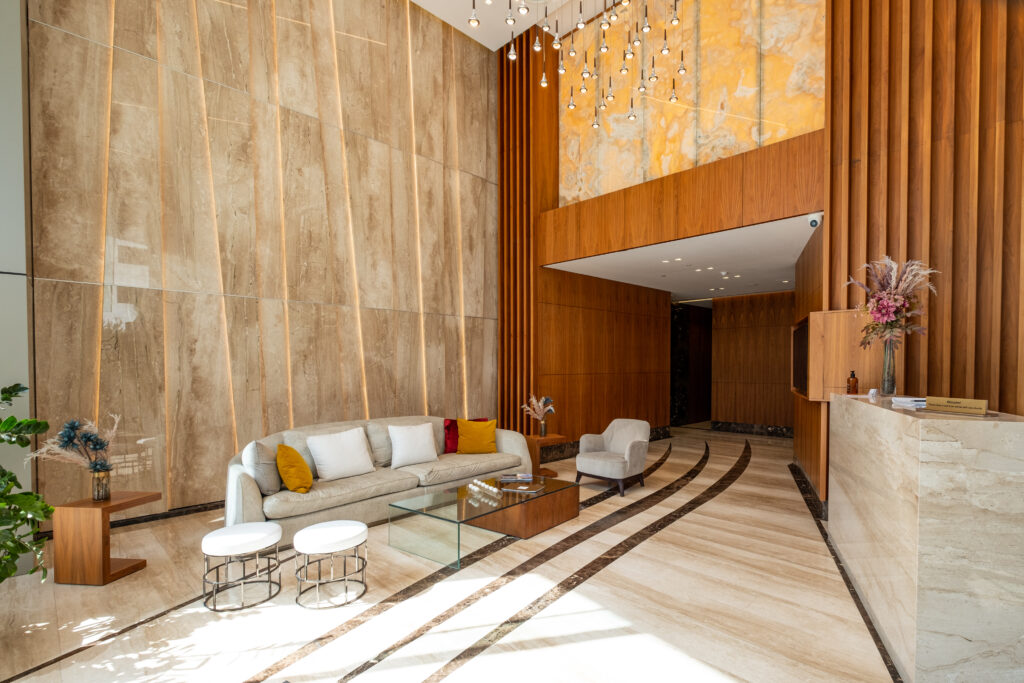
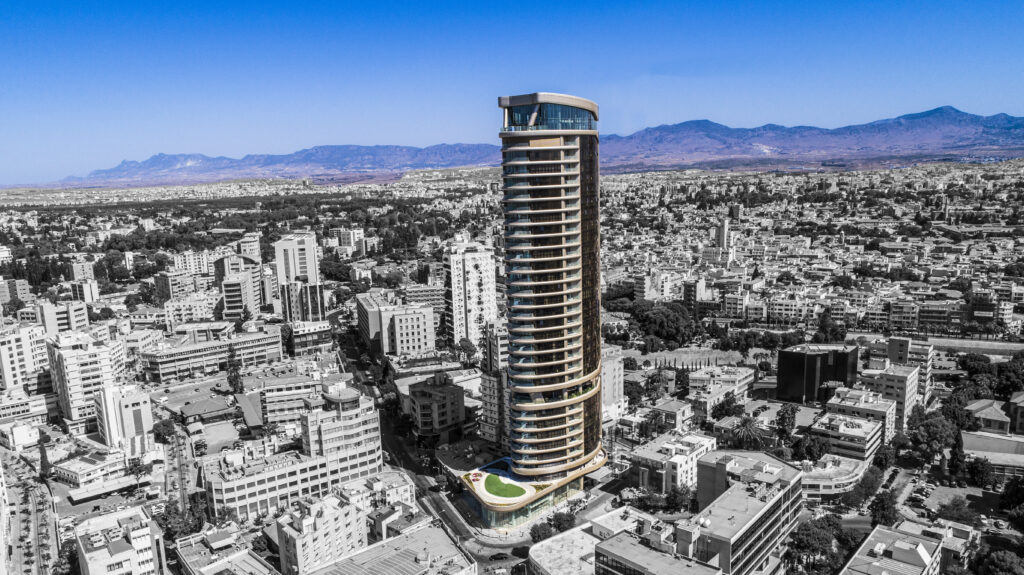
    Located along Makariou Avenue, the 34-floor tower connects to a public plaza at its base, integrating vertical development into the everyday life of the city. The ground floor level engages with the public through retail and dining spaces, while the upper floors are dedicated to residential use. Its elliptical form creates a fluid, dynamic presence, offering panoramic views, reducing visual overlap and enhancing natural light distribution. A reinforced concrete core frees the perimeter for large openings, floor-to-ceiling glazing and flexible interior layouts.

    Photos: 360 Nicosia

  • ΤΗΕ LANDMARK ΝΙCOSIA, AUTOGRAPH COLLECTION

    ΤΗΕ LANDMARK ΝΙCOSIA, AUTOGRAPH COLLECTION

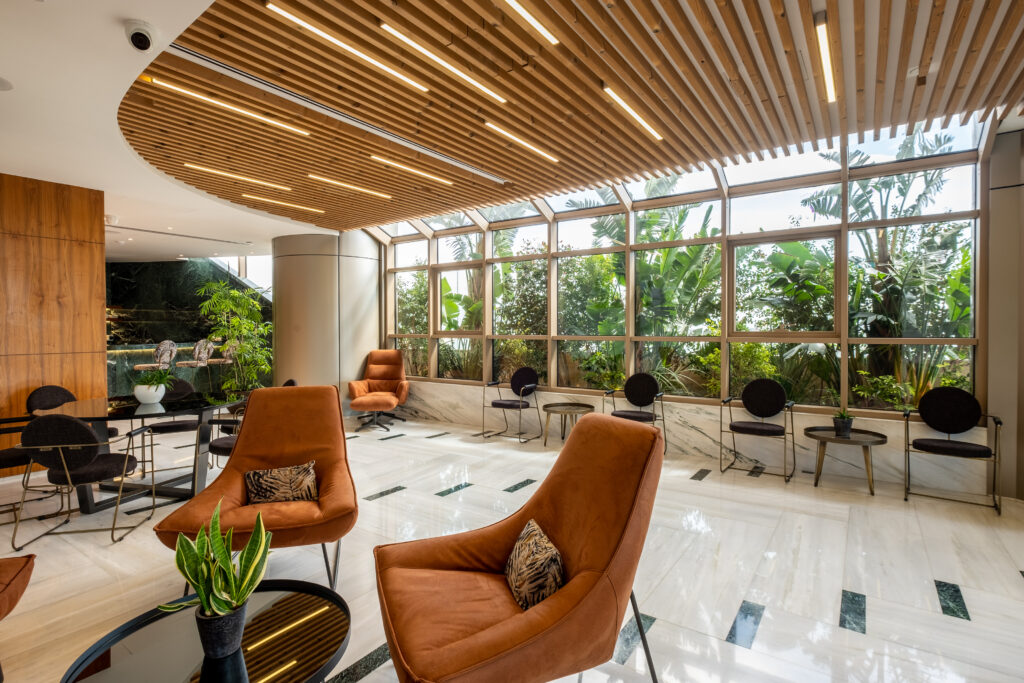
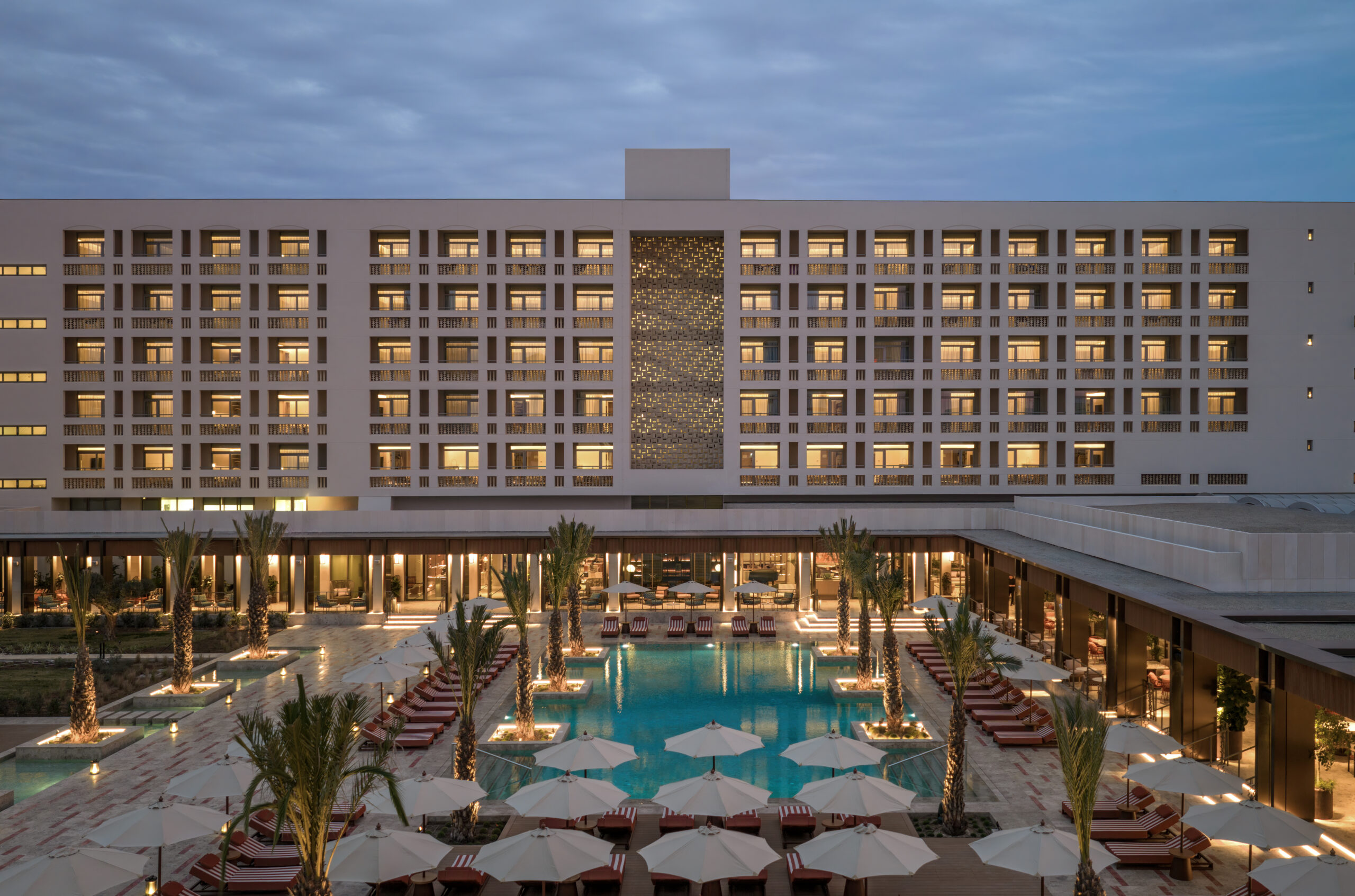
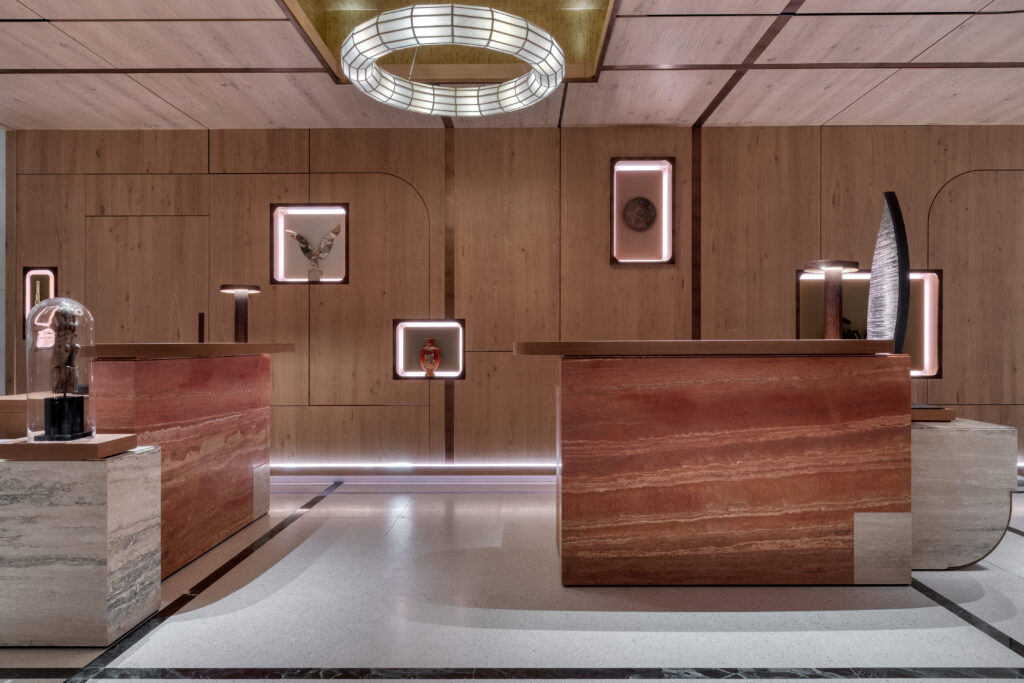
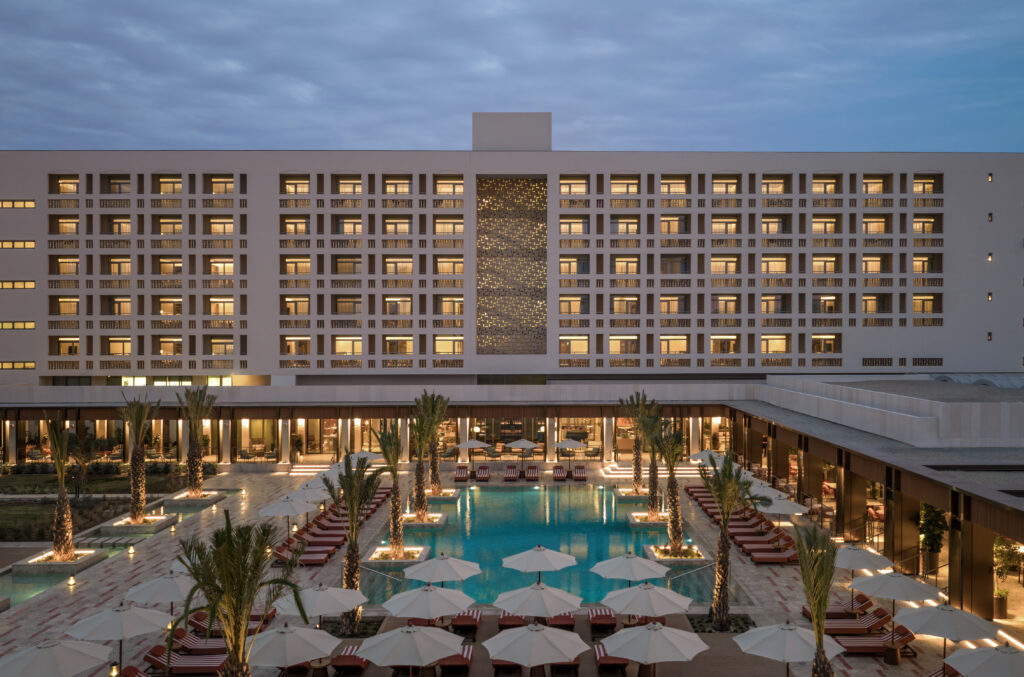
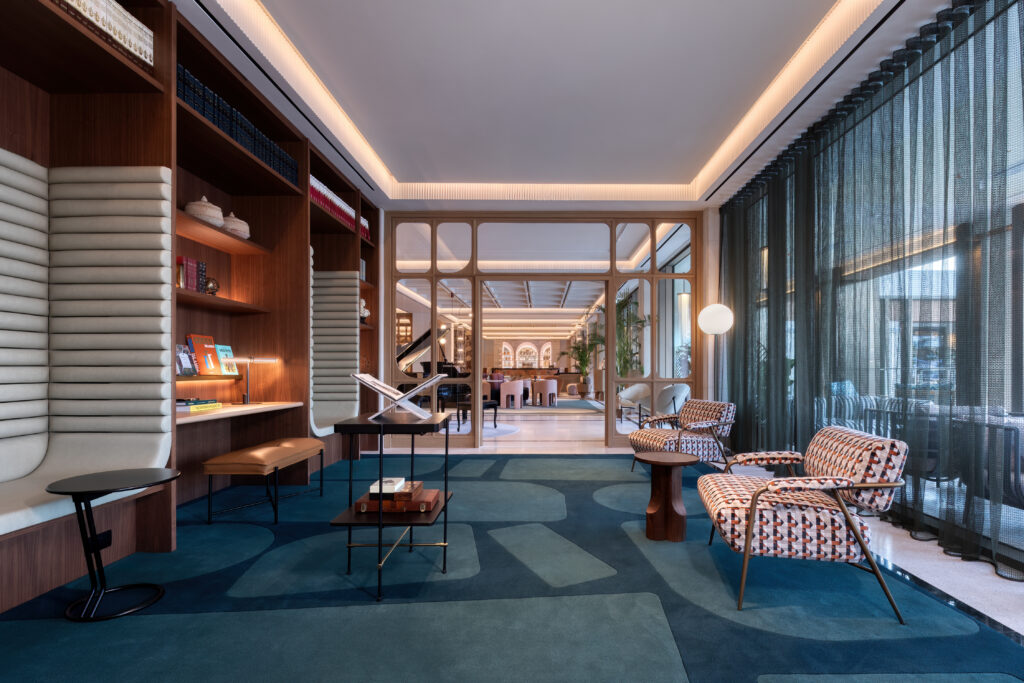
    The Landmark Nicosia, formerly the Hilton Hotel opened in 1967, is a landmark of modernist architecture in Cyprus. It quickly became a symbol of progress, international connection, and cosmopolitan life. Its horizontal composition and grid façades emphasize functionality and climate responsiveness, as the main design tools. The comprehensive renovation by Eraclis Papachristou Architects preserves and restores the building’s defining elements, while subtle shifts in layout and material updates give it a contemporary presence. The ground floor has been redesigned to create a more connected public space, with continuous terraces and new water features organizing circulation and use, while enhancing the overall experience of the hotel’s indoor and outdoor areas.

    Photos: The Landmark Nicosia, Autograph Collection

  • DEPARTMENT OF TOWN PLANNING AND HOUSING

    DEPARTMENT OF TOWN PLANNING AND HOUSING

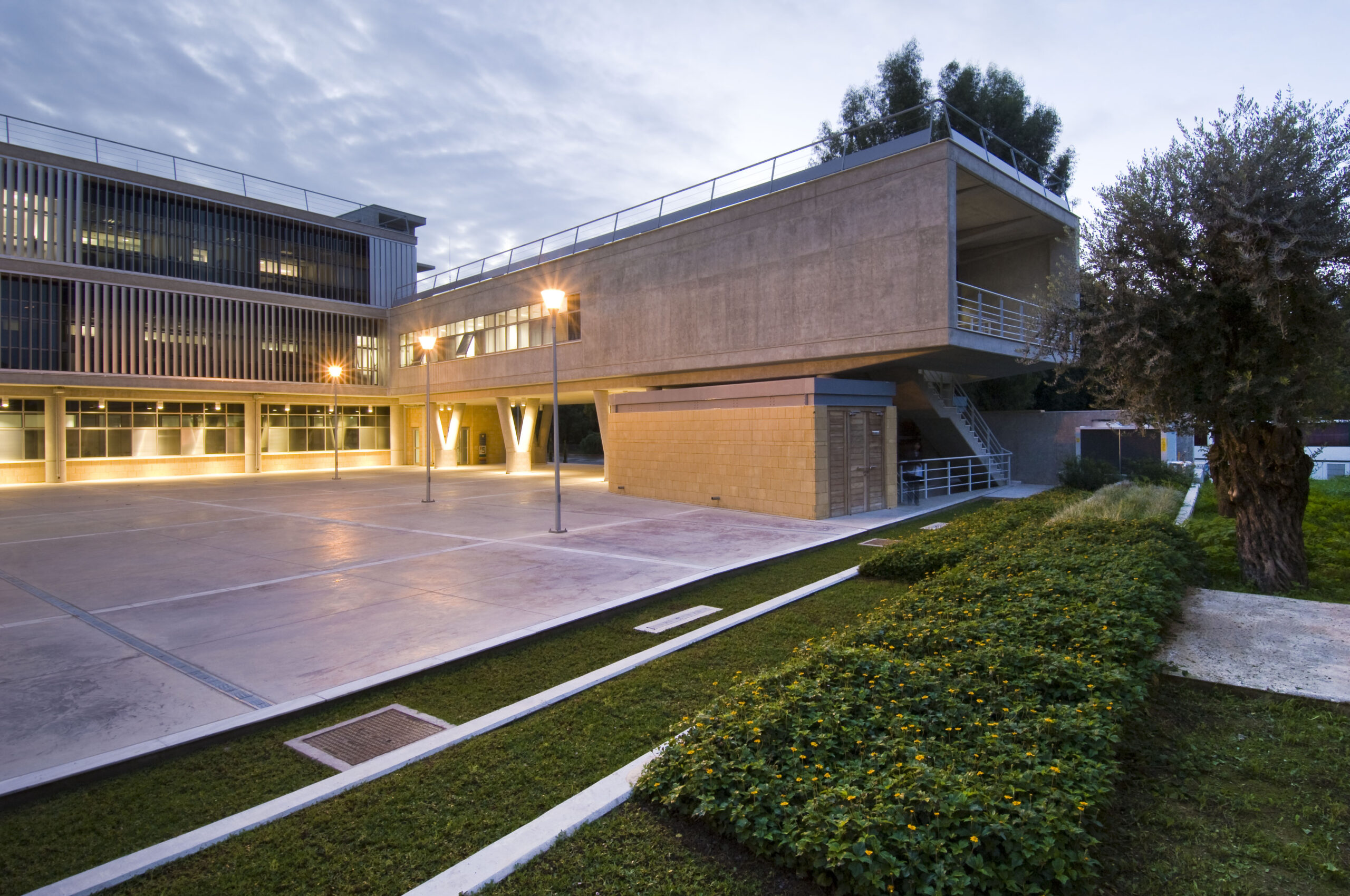
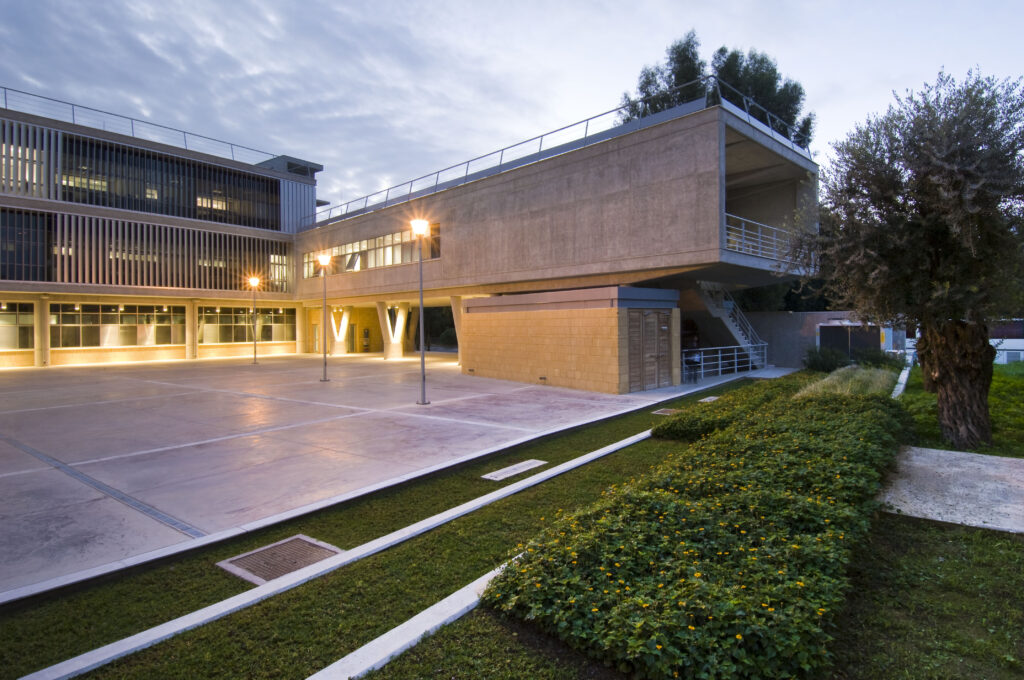
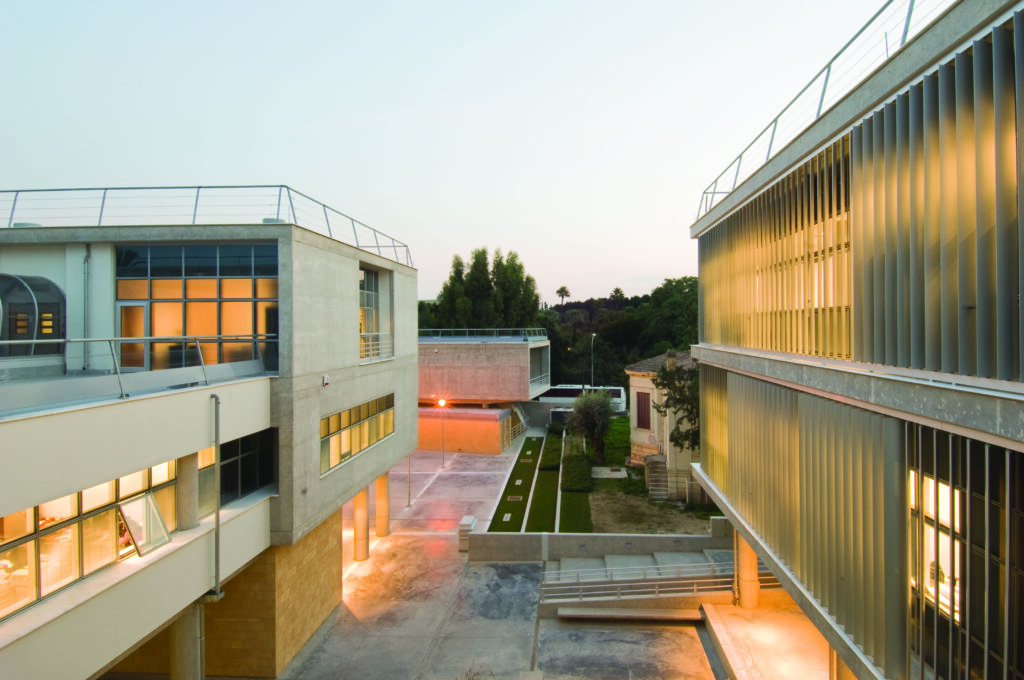
    The project, designed by the architect Elena Sofianou, is located near significant public buildings and open public spaces, such as the Cyprus Museum, the House of Representatives, the Supreme Court, the Public Garden, and soon the new Archaeological Museum. Organized as a complex of wings alternating with outdoor and semi-outdoor spaces, the building is organically connected with the surrounding public spaces, reinforcing continuity with the urban fabric.
    The wings are designed based on a grid, in which all staff offices are located along the outer perimeter, while shared spaces – such as meeting rooms and printing areas – are located at the core of each wing. By designing the façades in direct relation to the orientation of each wing, natural lighting and ventilation are ensured for all workspaces. The building is mainly constructed using conventional materials – such as reinforced concrete, internal gypsum board partitions etc. – while the extensive use of Cypriot calcarenite limestone at ground level references the dominant material of the area’s historic buildings and structures such as the medieval walls of Nicosia.

    Photos: Charalambos Artemis

  • THE CYPRUS MUSEUM

    THE CYPRUS MUSEUM

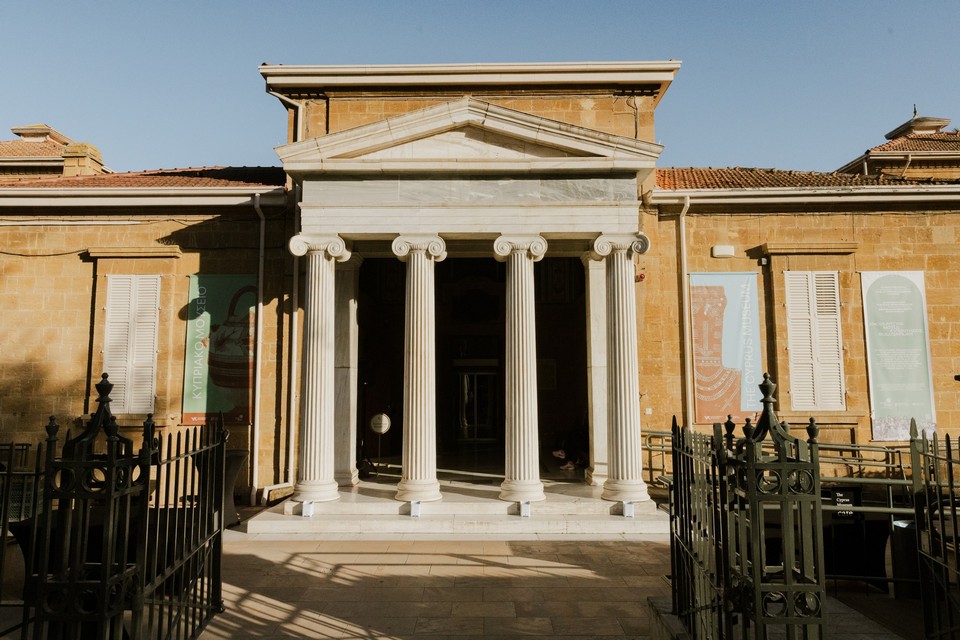
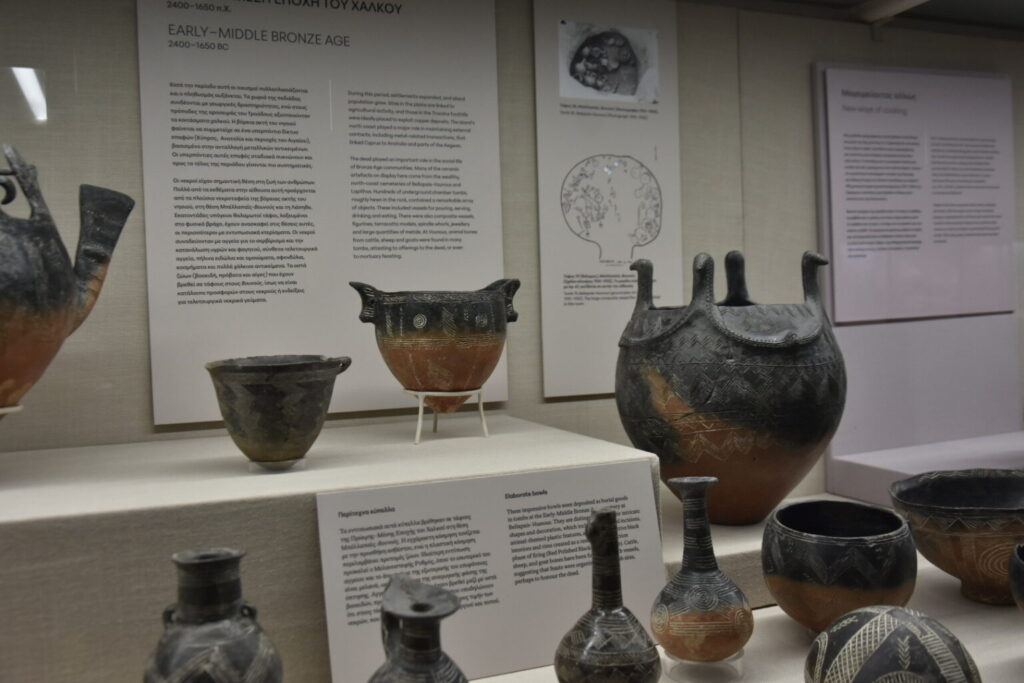
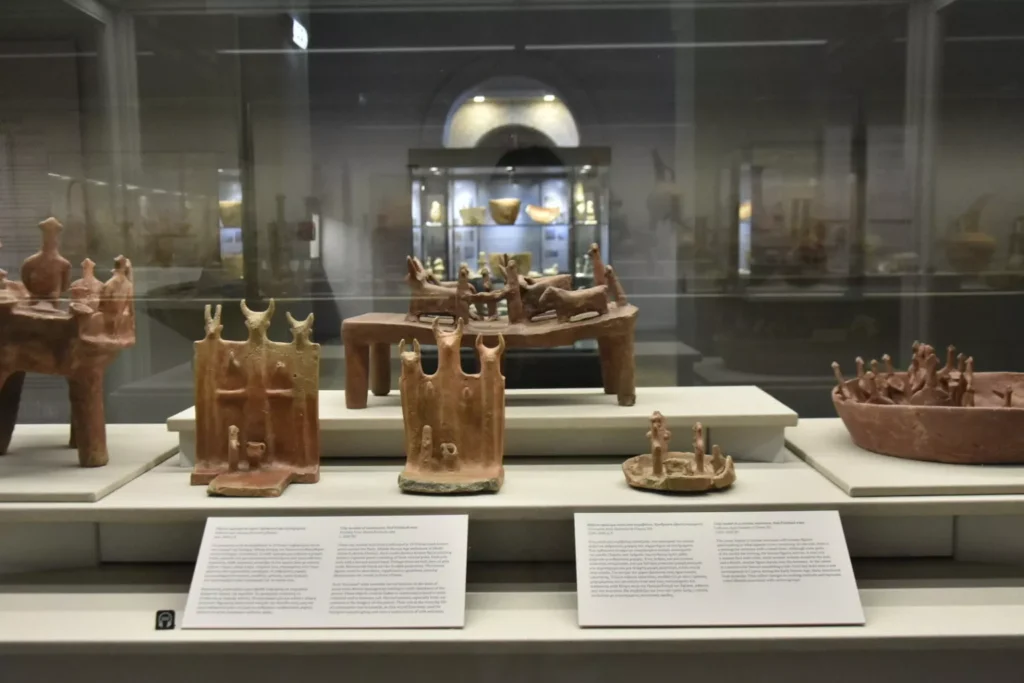
    The Cyprus Museum, the oldest and most important museum on the island, presents a panorama of ancient Cypriot civilization, from the earliest evidence of human presence on the island in distant prehistory (c. 10,500 BC) through to the Roman period (4th century AD). The construction of the building began in 1908, and its core was completed in the 1920s. The design is attributed to the architect Nikolaos Balanos, while supervision was carried out by the British architect George Jeffery, who was then Curator of Antiquities. The result is a monument that combines the elegance of neoclassical architecture with the character of Nicosia. Since 1935, following the enactment of the Antiquities Law and the establishment of the Department of Antiquities Cyprus, the Cyprus Museum has also served as the administrative headquarters of the Department of Antiquities.

    Photos: The Cyprus Museum

  • CYPRUS THEATRE ORGANISATIOΝ

    CYPRUS THEATRE ORGANISATIOΝ

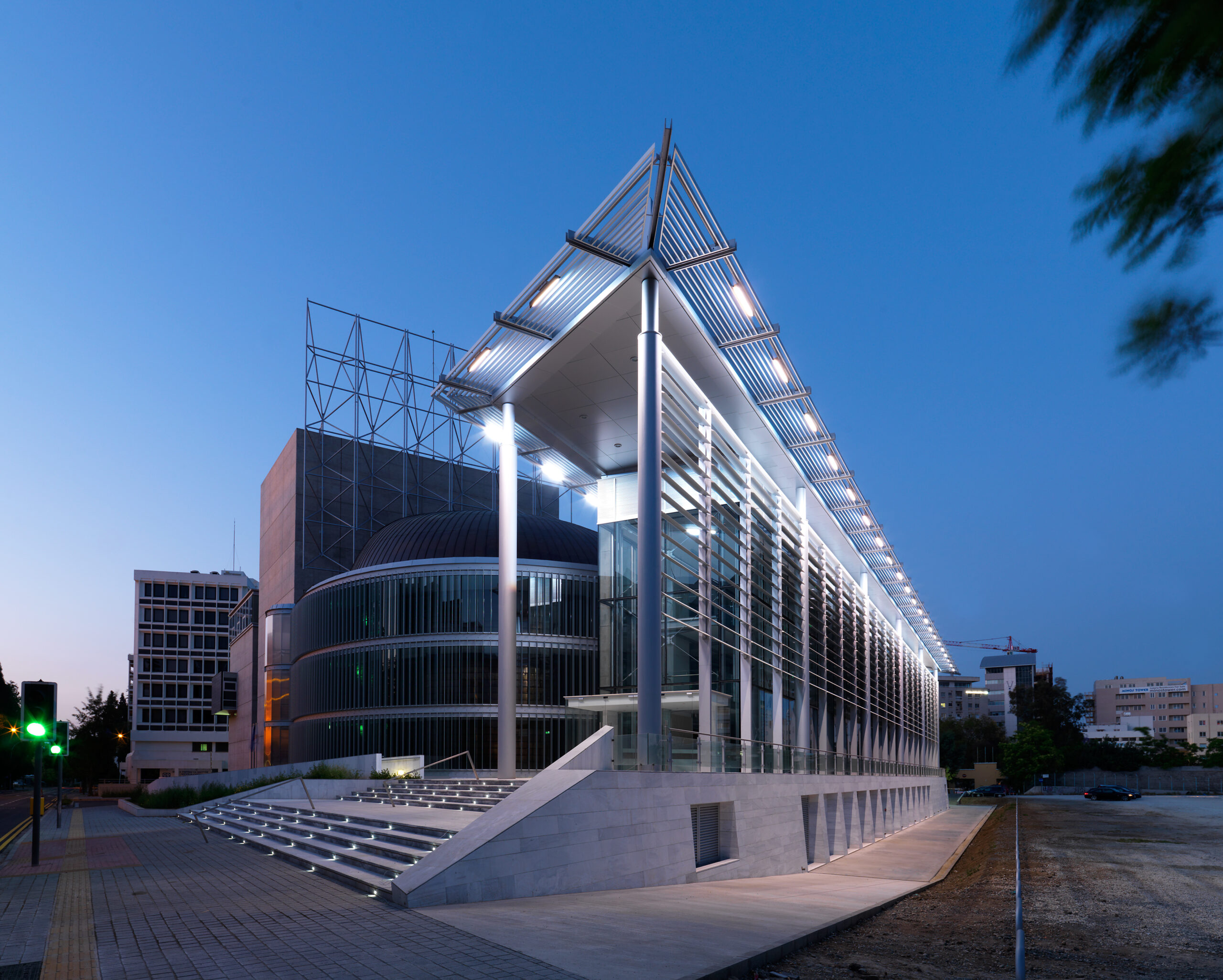
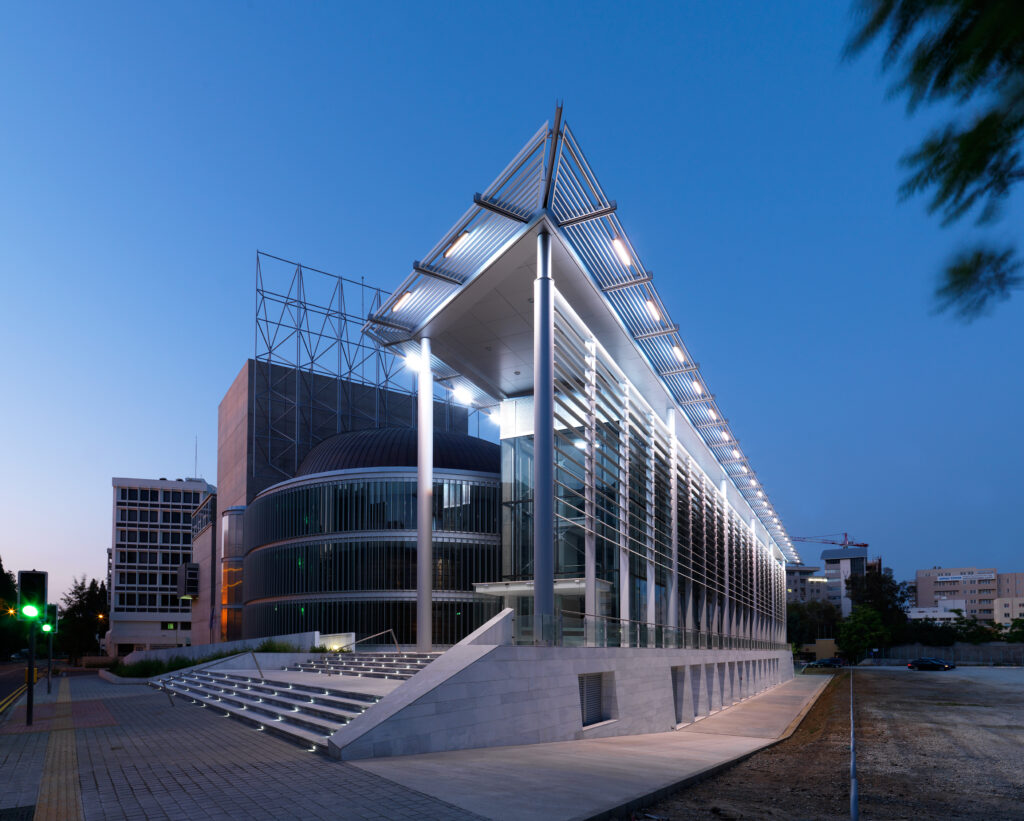
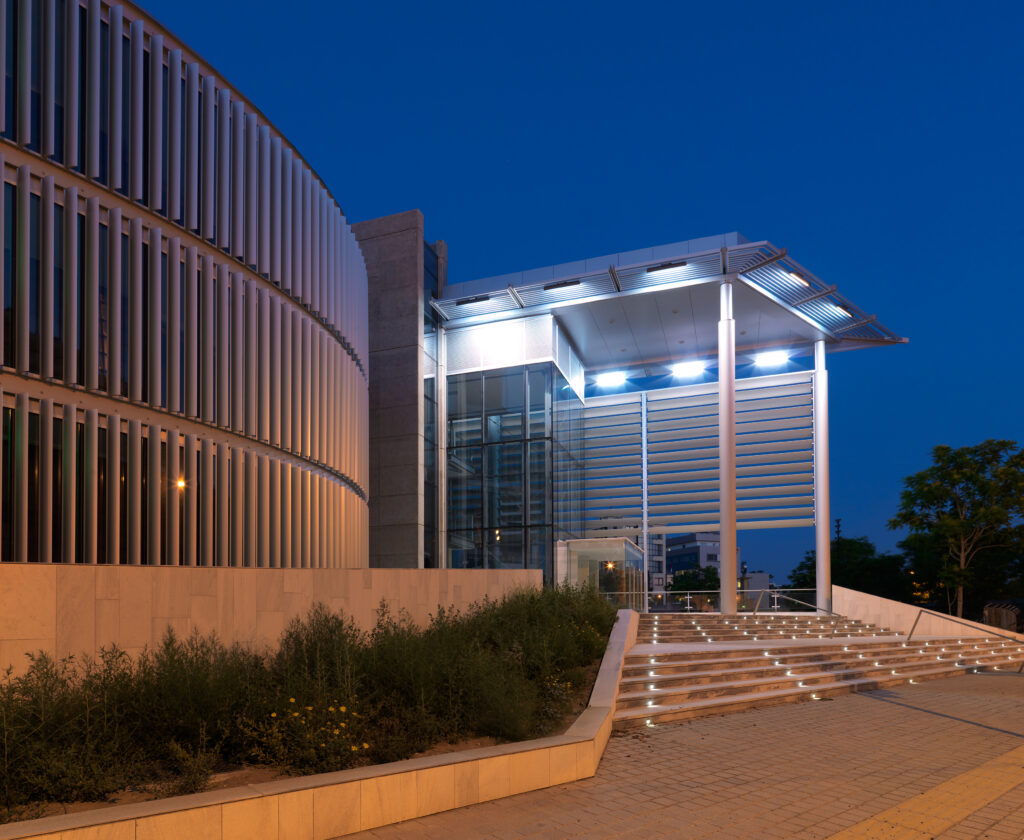
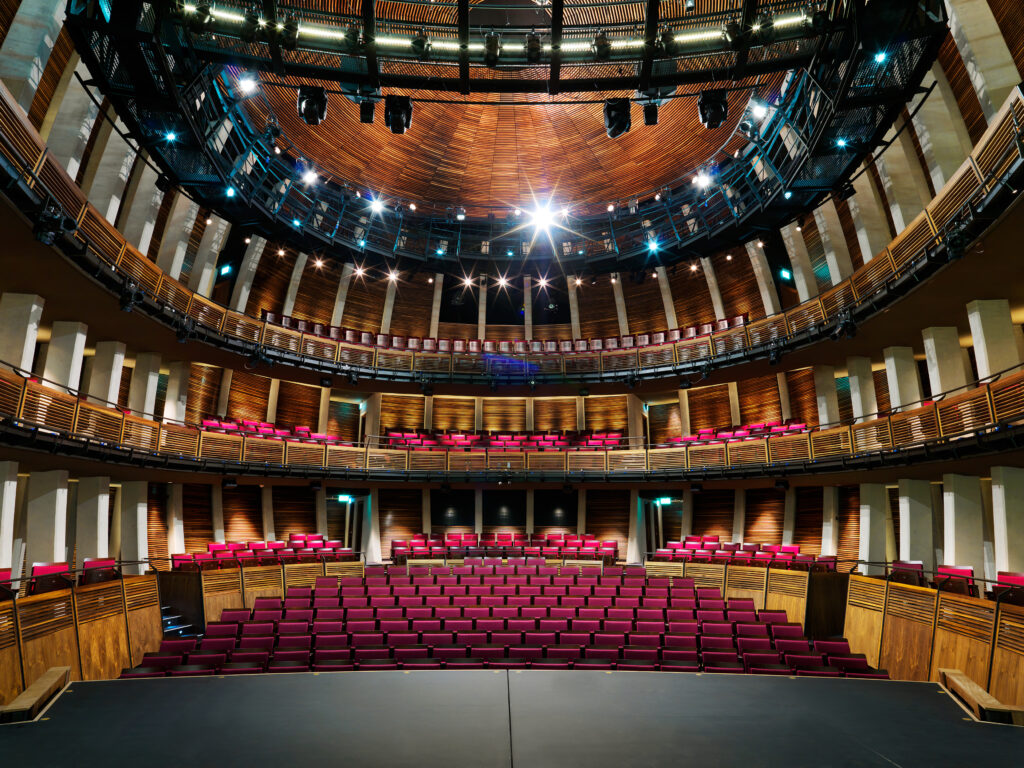
    The building of the Cyprus Theatre Organization was designed and realized by the architectural firm Kythreotis Architects. Integrated into a public park, the Old GSP Square, the theatre engages with the public space: the park – a setting for outdoor concerts – is shaped as an amphitheatre that opens toward the theatre’s foyer, while the foyer itself, located between the theatre and the park, functions as a multi-level space with views of the public park. The building accommodates two performance halls: the Main Stage and the New Stage. In the Main Stage, the audience seating surrounds the stage on three levels: the stalls, the first balcony, and the second balcony. The design minimizes the distance between actor and spectator, creating an intimate theatrical environment.

    Photos: Louiza Nikolaidou