Building Type: Cultural

  • STATE GALLERY OF CONTEMPORARY ART – MAJESTIC

    STATE GALLERY OF CONTEMPORARY ART – MAJESTIC

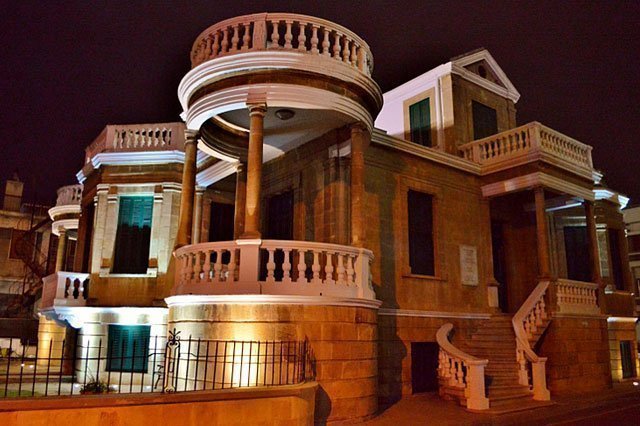
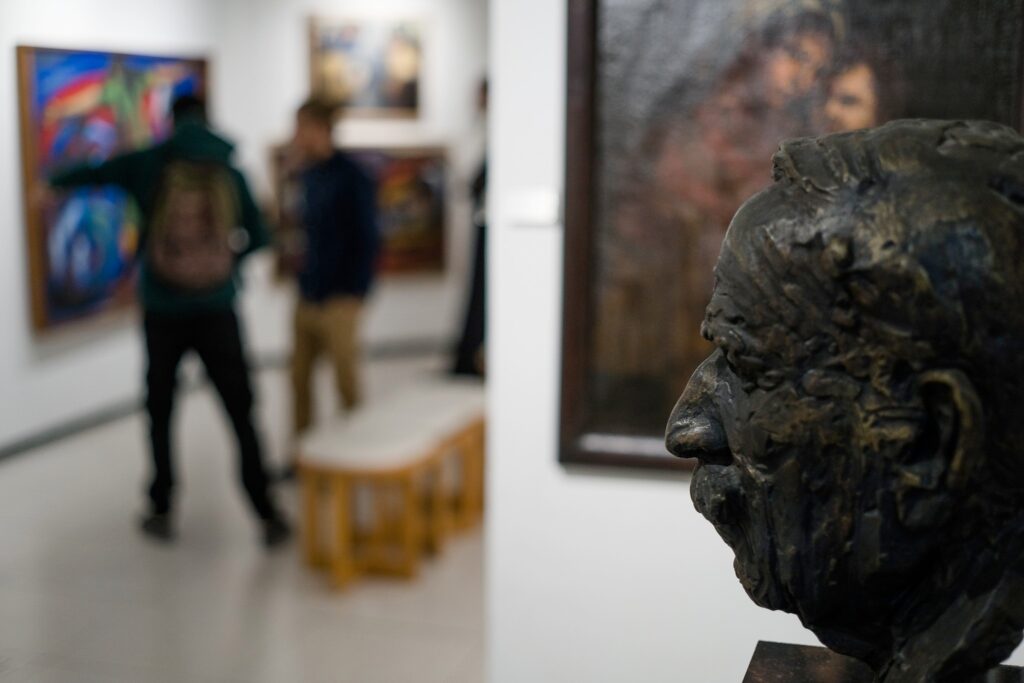
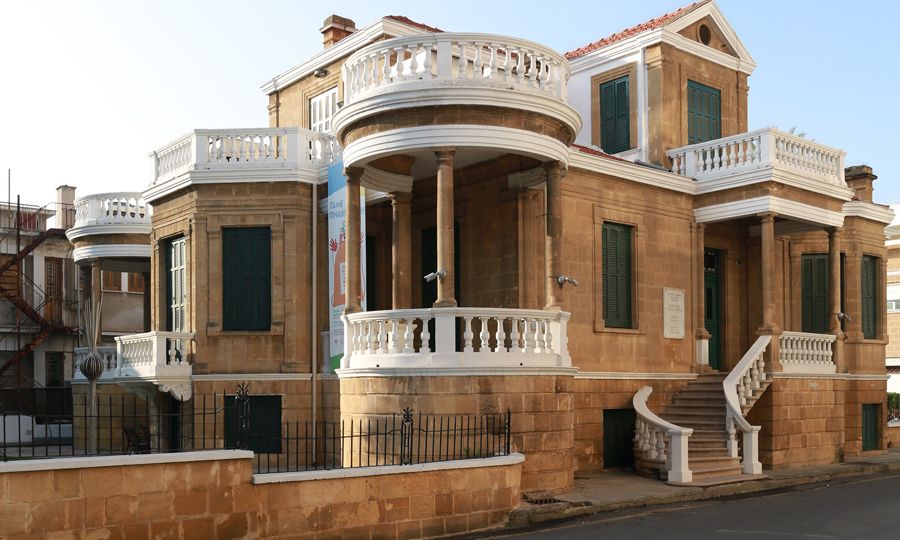
    The State Gallery of Contemporary Cypriot Art is housed in a landmark building dating from 1925–26, a characteristic example of colonial and neoclassical architecture in Nicosia. Originally a residence, the building was adaptively reused and transformed into a cultural venue, preserving its historic identity. Its stone-built structure, symmetrical openings, and decorative elements form a balanced architectural composition, while hosting significant collections of contemporary Cypriot art.

    Photos: State Gallery of Contemporary Cypriot Art
  • TΗΕ SEVERIOS LIBRARY

    TΗΕ SEVERIOS LIBRARY

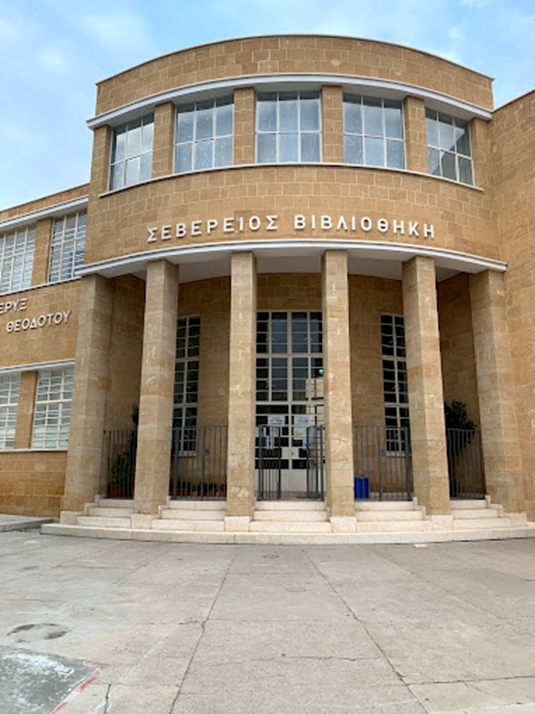
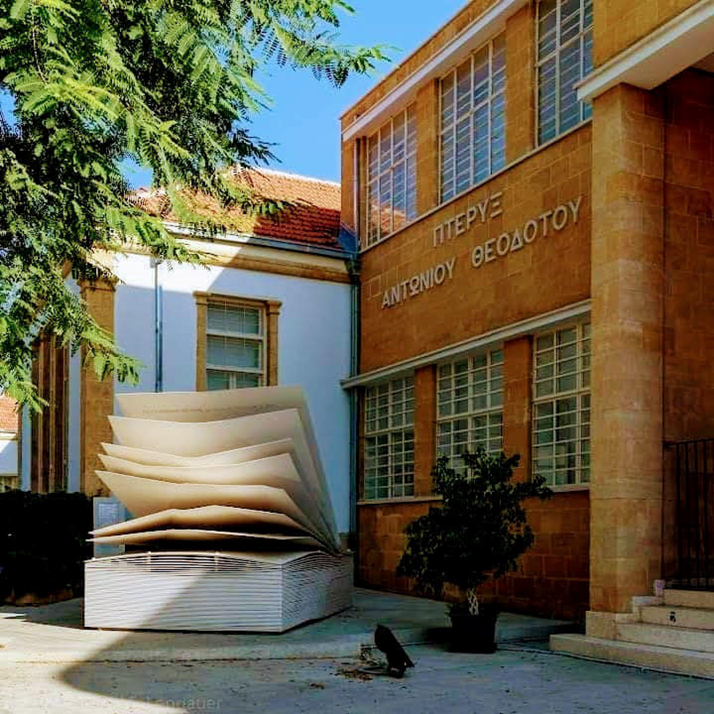
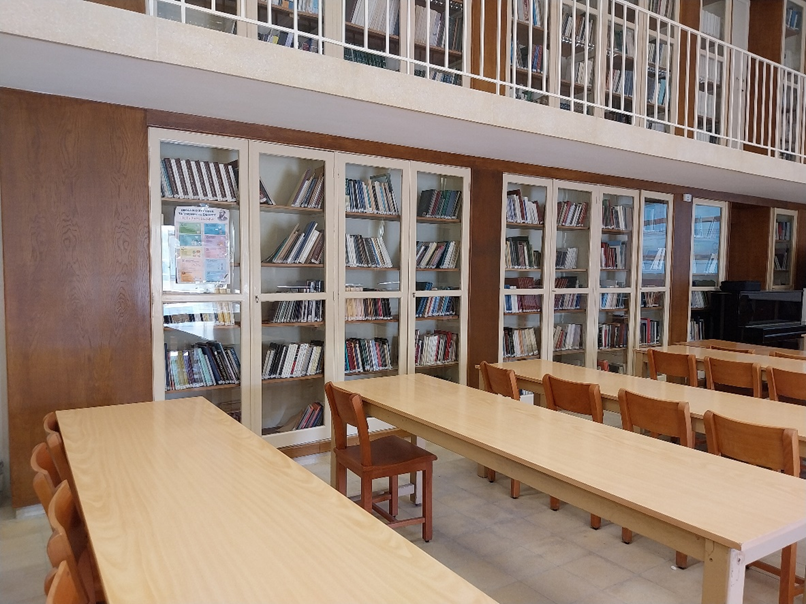
    The Severios Library, designed by the architect Polyvios Michaelides, located within the historic complex of the Pancyprian Gymnasium in Nicosia, stands as one of Cyprus’ most significant intellectual landmarks. Inaugurated in 1949, the building reflects the functional and restrained architectural language of 20th-century educational spaces, emphasizing natural light and study. Housing rare collections and archival material, it maintains a strong connection between education, history, and cultural heritage.

    Photos: The Severios Library

  • NICOSIA MUNICIPAL ARTS CENTRE (NiMAC)

    NICOSIA MUNICIPAL ARTS CENTRE (NiMAC)

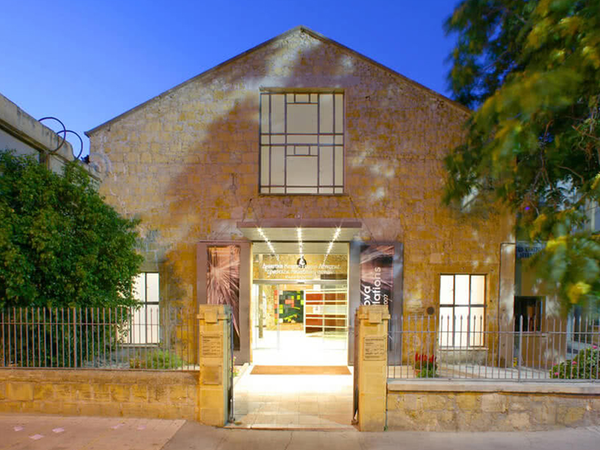
    The Nicosia Municipal Arts Centre, in collaboration with the Pierides Foundation (NiMAC), was inaugurated on 14 January 1994 and is housed in the historic Old Powerhouse building, which was granted to the Municipality of Nicosia by the Electricity Authority of Cyprus. The building is a characteristic example of early 20th-century industrial architecture and has been restored with respect to its original form. Its restoration was awarded the Europa Nostra Award in 1994, recognising the value of preserving and reusing industrial heritage.

    Photos: NiMAC

  • HOME FOR COOPERATION

    HOME FOR COOPERATION

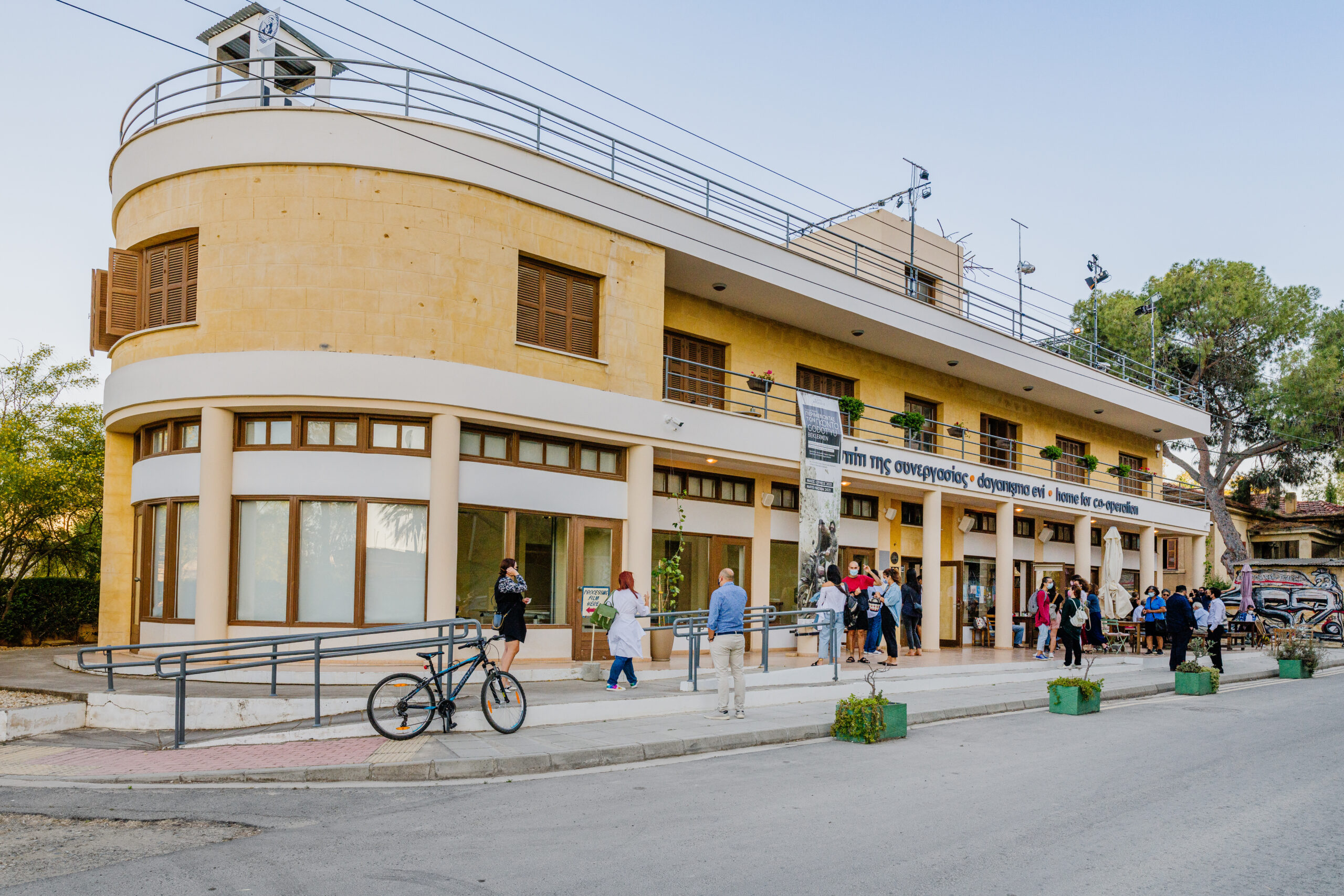
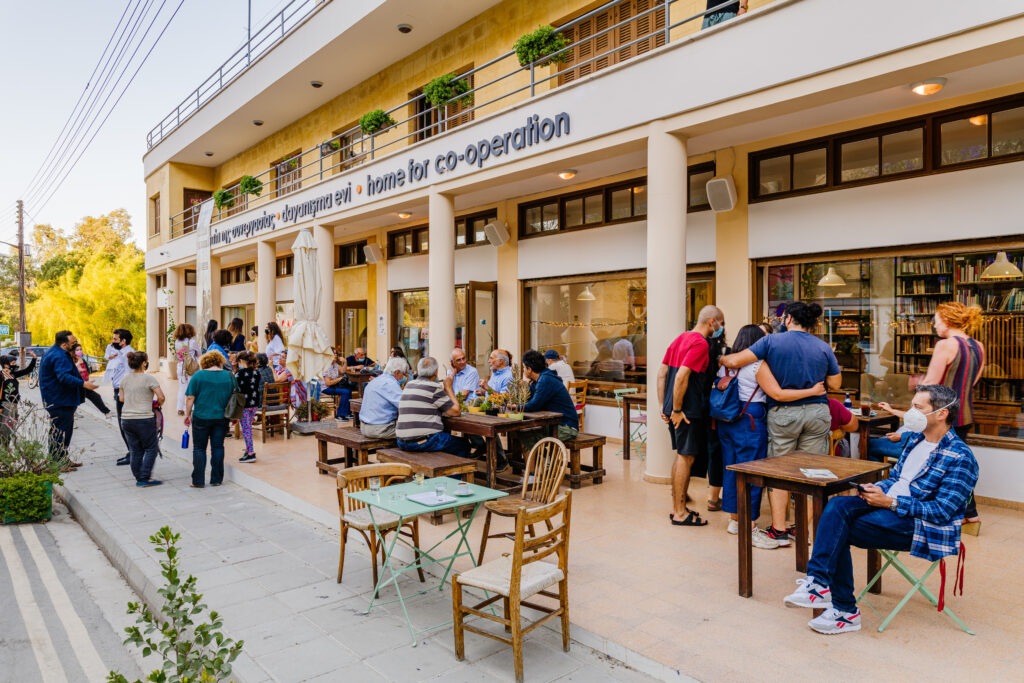
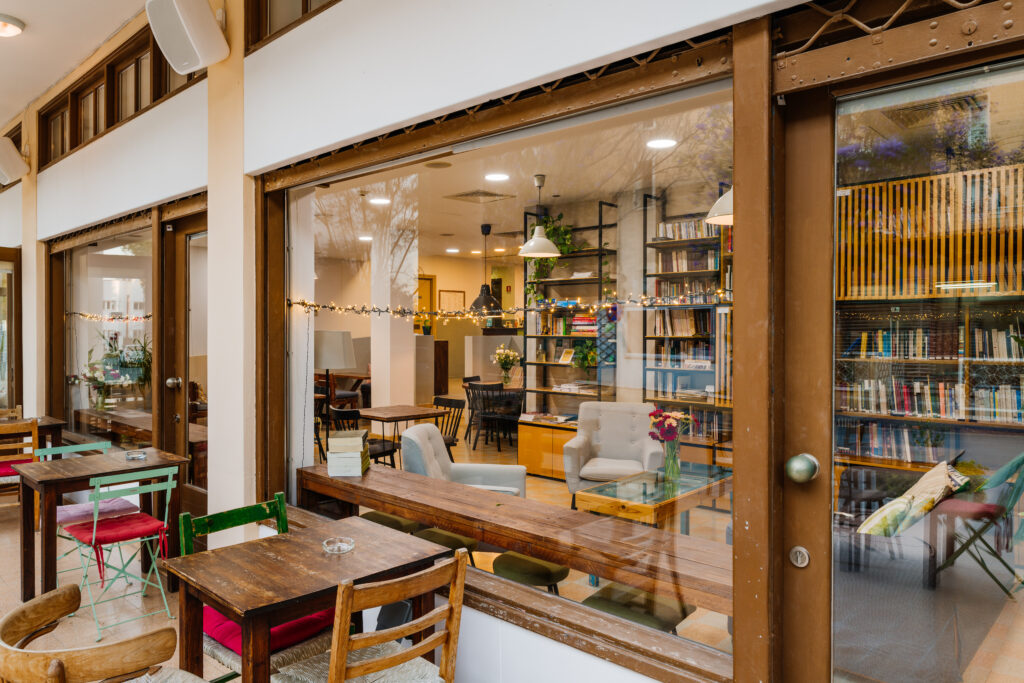
    The Home for Cooperation was established in 2011 by the intercommunal, Cyprus-based Association for Historical Dialogue and Research (AHDR), whose board comprises both Greek and Turkish Cypriots.The building was constructed in the early 1950s in a multicultural neighbourhood of Nicosia that hosted Armenian, Latin, Greek and Turkish Cypriot communities. After 1974, it was left abandoned within the Buffer Zone between two checkpoints. More than 30 years later, AHDR purchased and restored the building, transforming it into the community space now known as the Home for Cooperation, which today hosts cultural, artistic and educational activities that bring people together.

    Photos: Home for Cooperation

  • THE CYPRUS MUSEUM

    THE CYPRUS MUSEUM

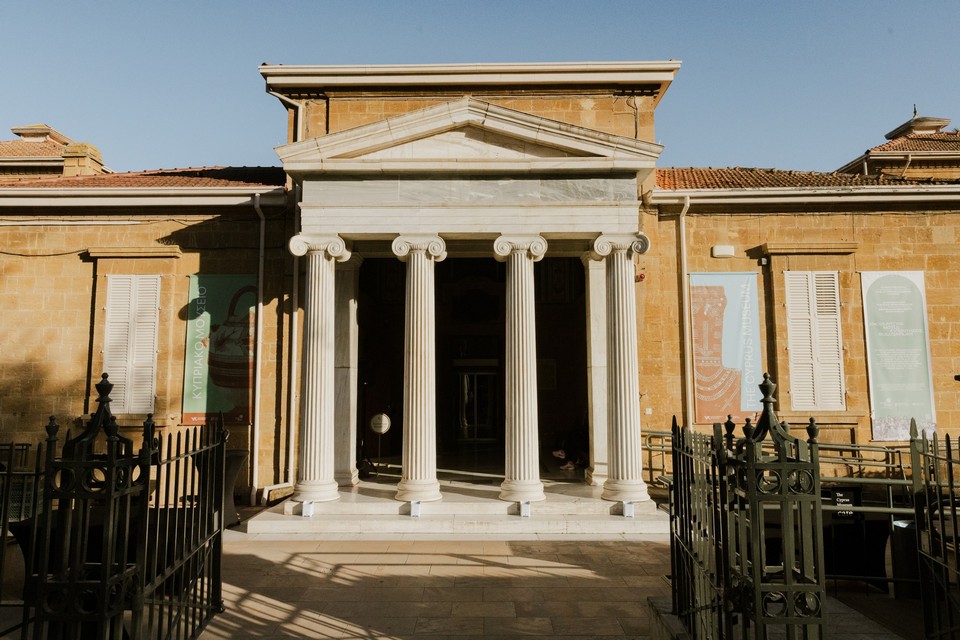
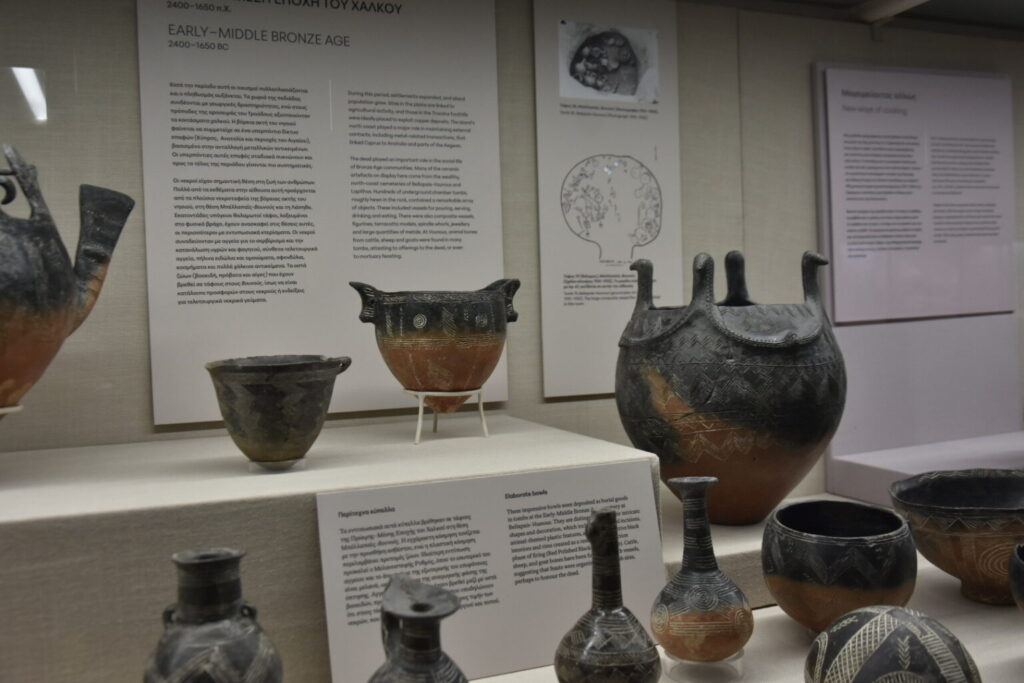
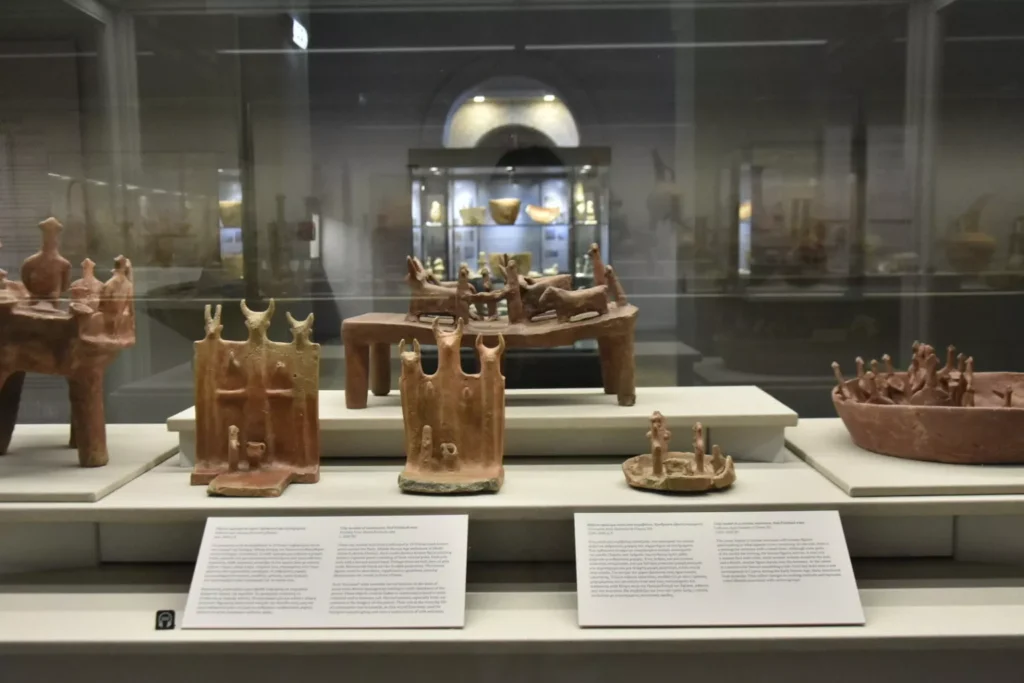
    The Cyprus Museum, the oldest and most important museum on the island, presents a panorama of ancient Cypriot civilization, from the earliest evidence of human presence on the island in distant prehistory (c. 10,500 BC) through to the Roman period (4th century AD). The construction of the building began in 1908, and its core was completed in the 1920s. The design is attributed to the architect Nikolaos Balanos, while supervision was carried out by the British architect George Jeffery, who was then Curator of Antiquities. The result is a monument that combines the elegance of neoclassical architecture with the character of Nicosia. Since 1935, following the enactment of the Antiquities Law and the establishment of the Department of Antiquities Cyprus, the Cyprus Museum has also served as the administrative headquarters of the Department of Antiquities.

    Photos: The Cyprus Museum

  • CYPRUS THEATRE ORGANISATIOΝ

    CYPRUS THEATRE ORGANISATIOΝ

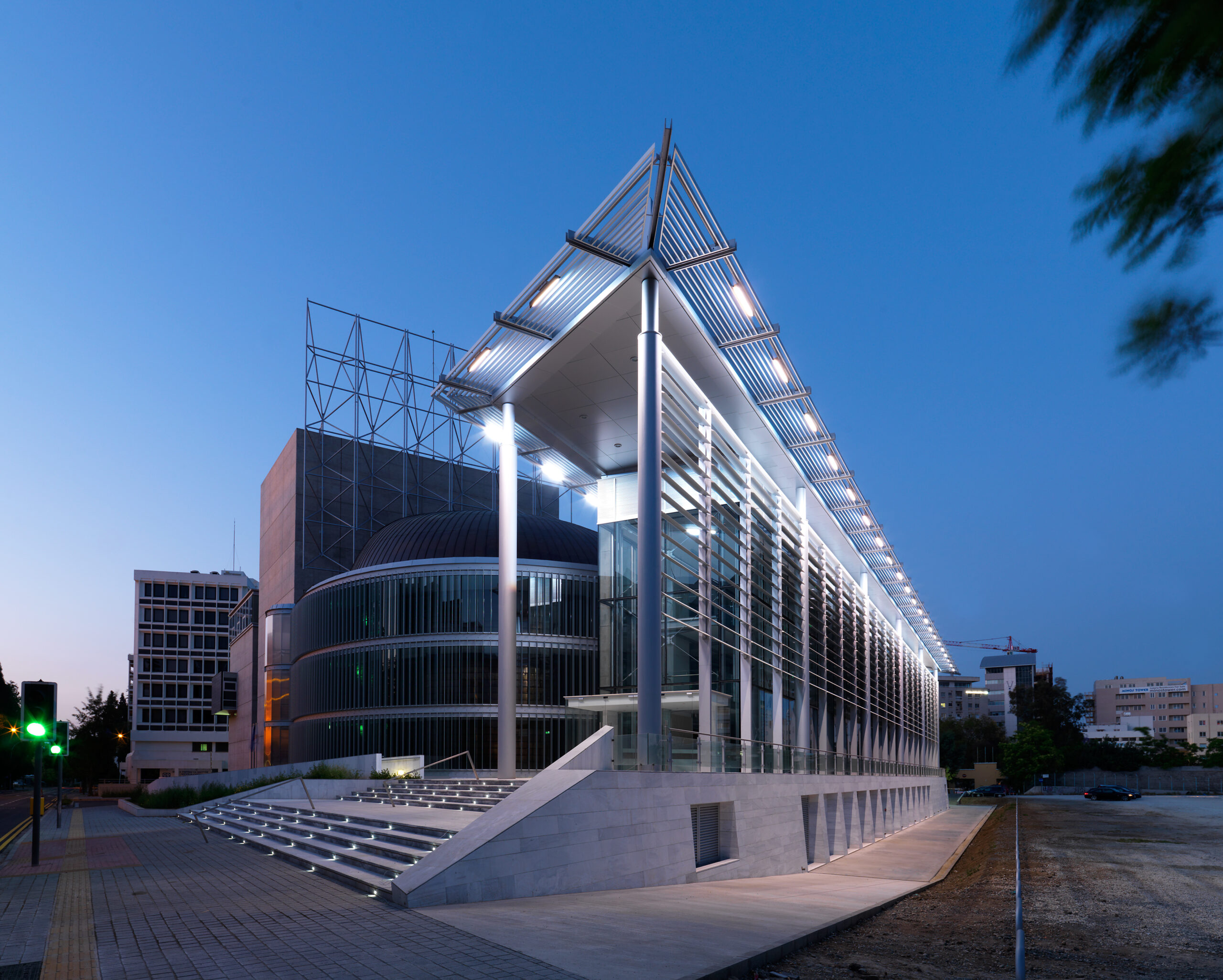
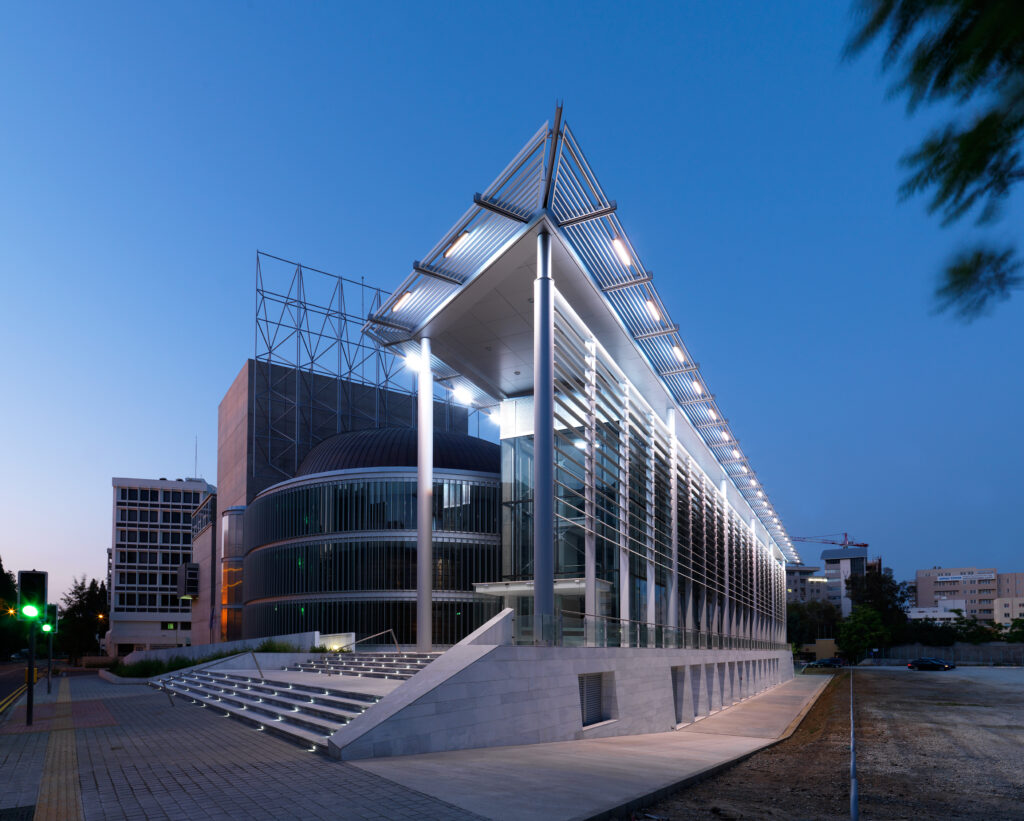
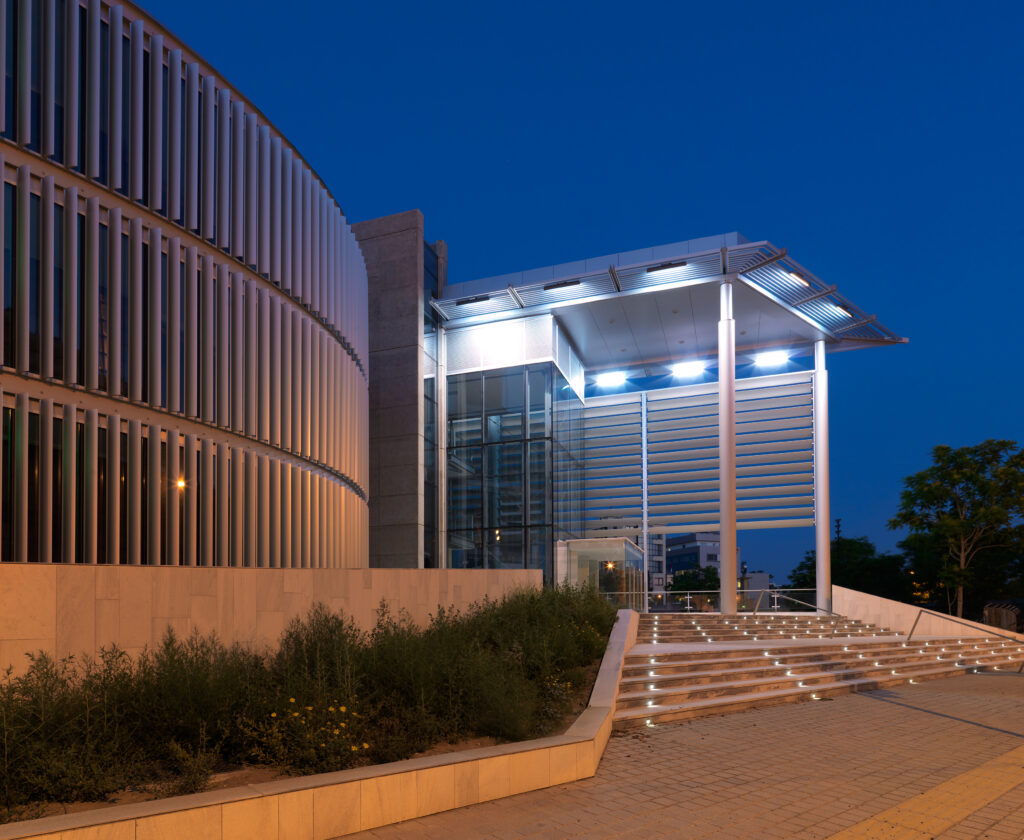
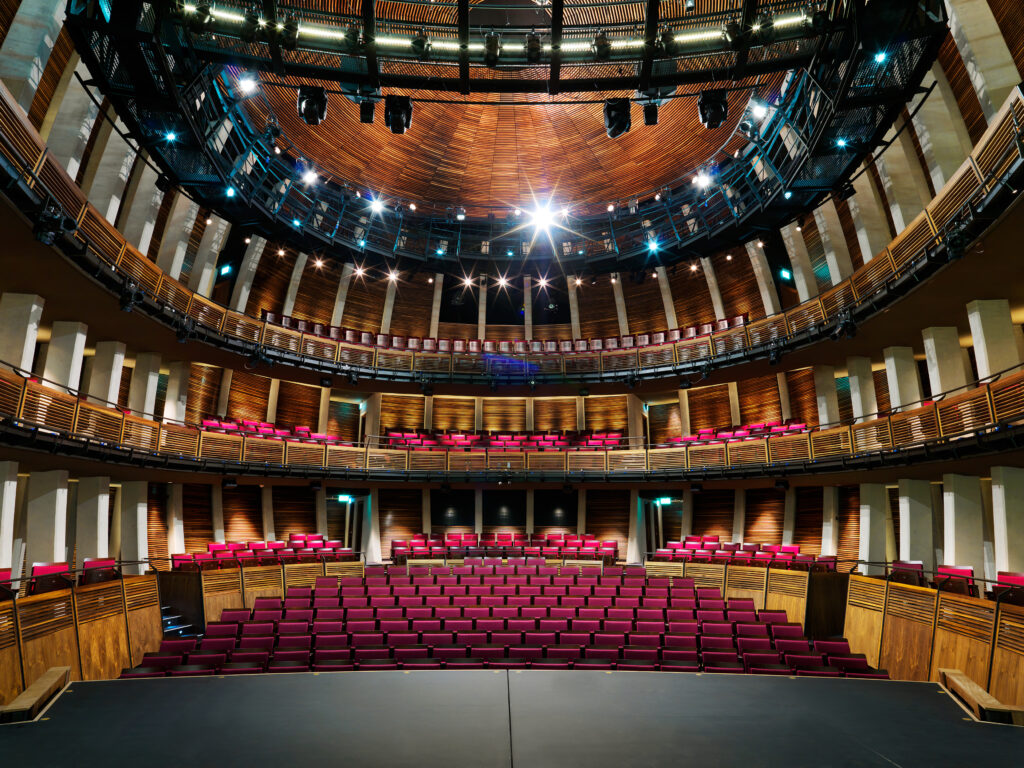
    The building of the Cyprus Theatre Organization was designed and realized by the architectural firm Kythreotis Architects. Integrated into a public park, the Old GSP Square, the theatre engages with the public space: the park – a setting for outdoor concerts – is shaped as an amphitheatre that opens toward the theatre’s foyer, while the foyer itself, located between the theatre and the park, functions as a multi-level space with views of the public park. The building accommodates two performance halls: the Main Stage and the New Stage. In the Main Stage, the audience seating surrounds the stage on three levels: the stalls, the first balcony, and the second balcony. The design minimizes the distance between actor and spectator, creating an intimate theatrical environment.

    Photos: Louiza Nikolaidou

  • “STELIOS IOANNOU” LEARNING RESOURCE CENTRE – LIBRARY (UNIVERSITY OF CYPRUS)

    “STELIOS IOANNOU” LEARNING RESOURCE CENTRE – LIBRARY (UNIVERSITY OF CYPRUS)

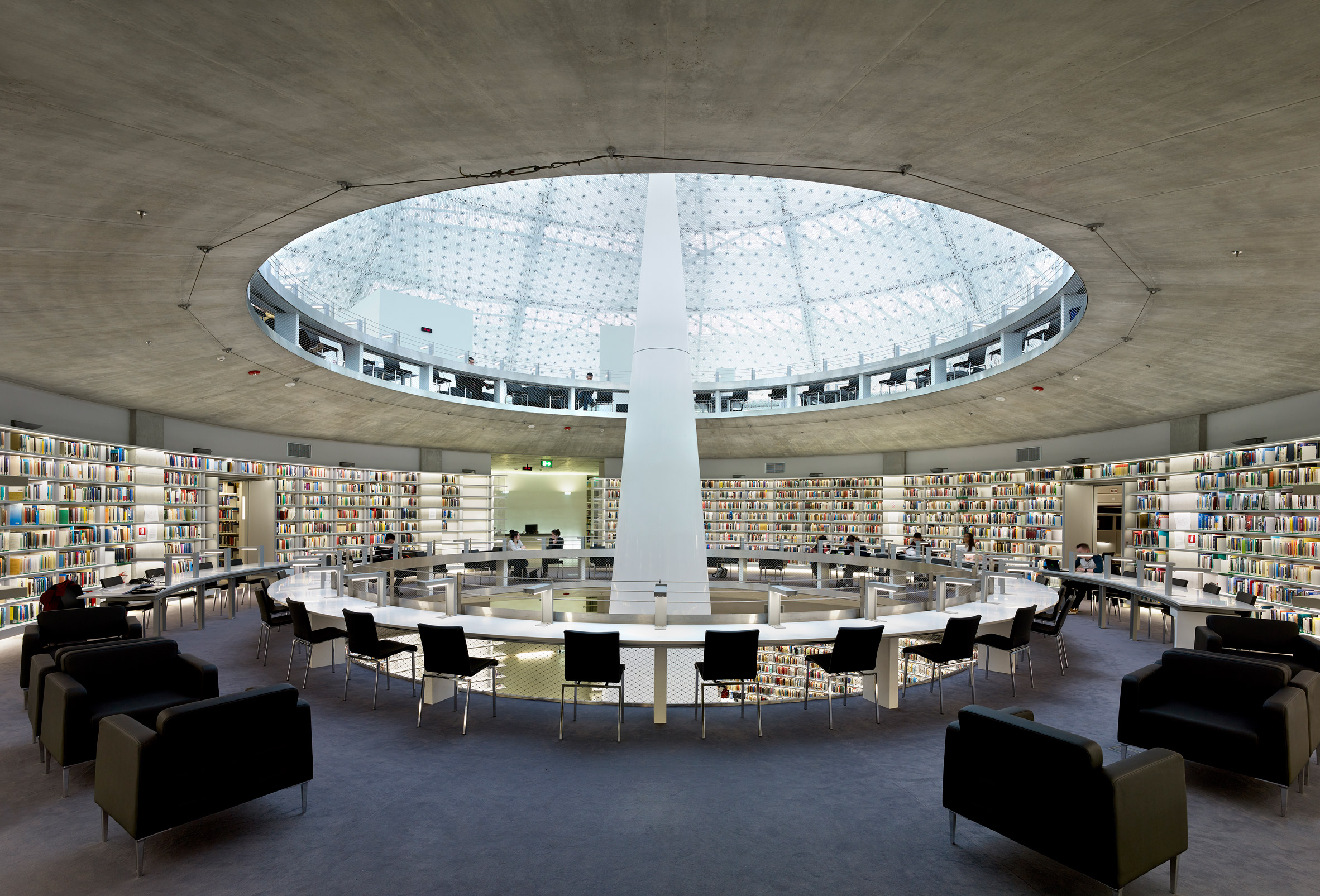
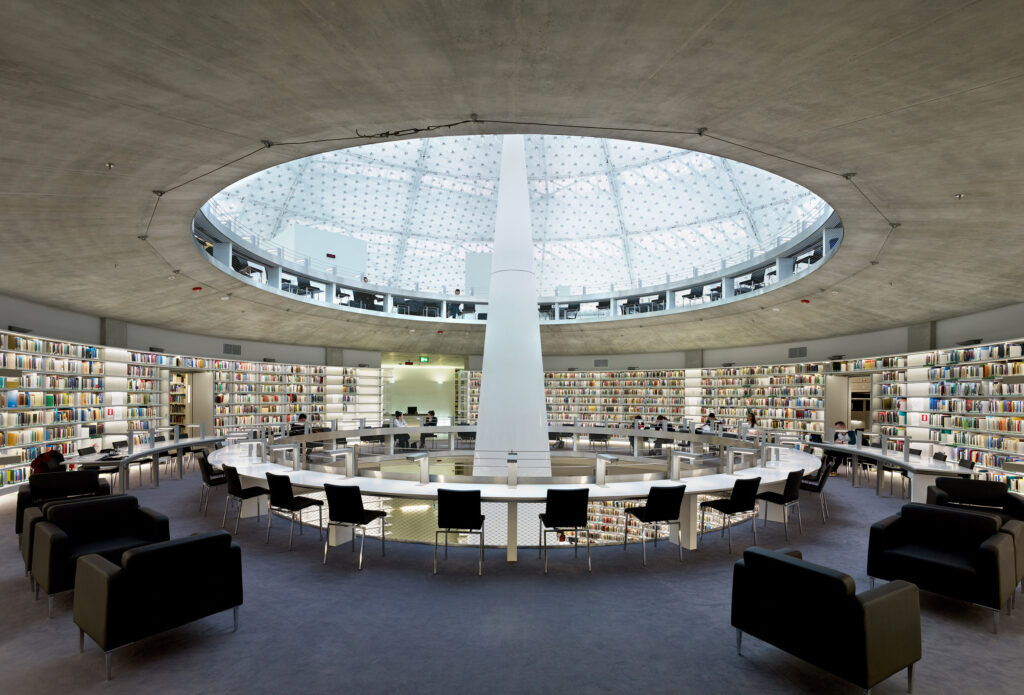
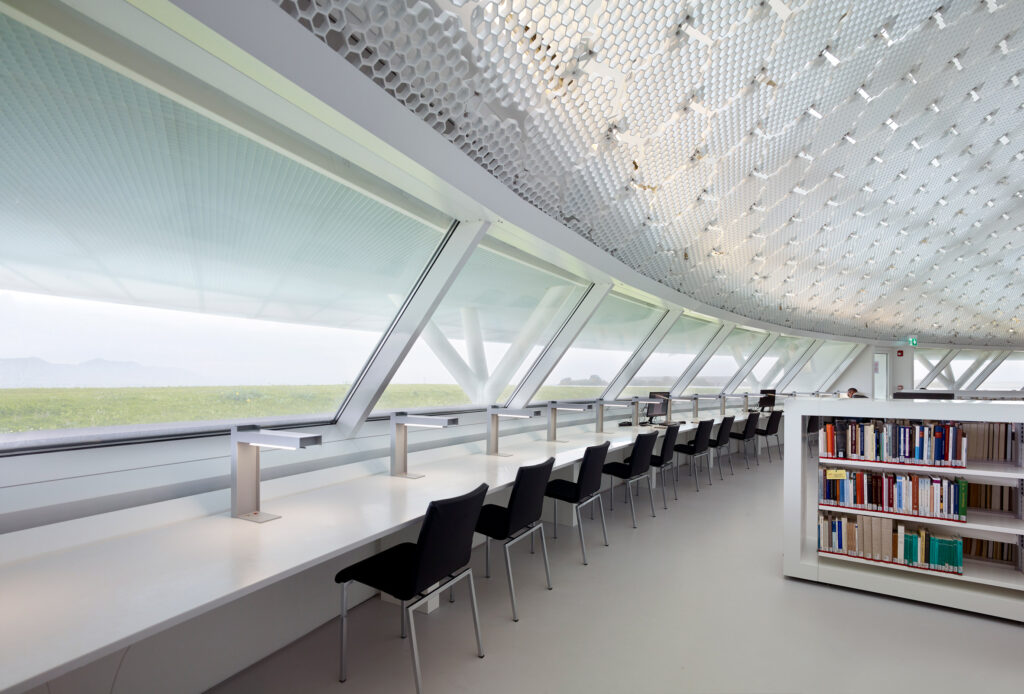
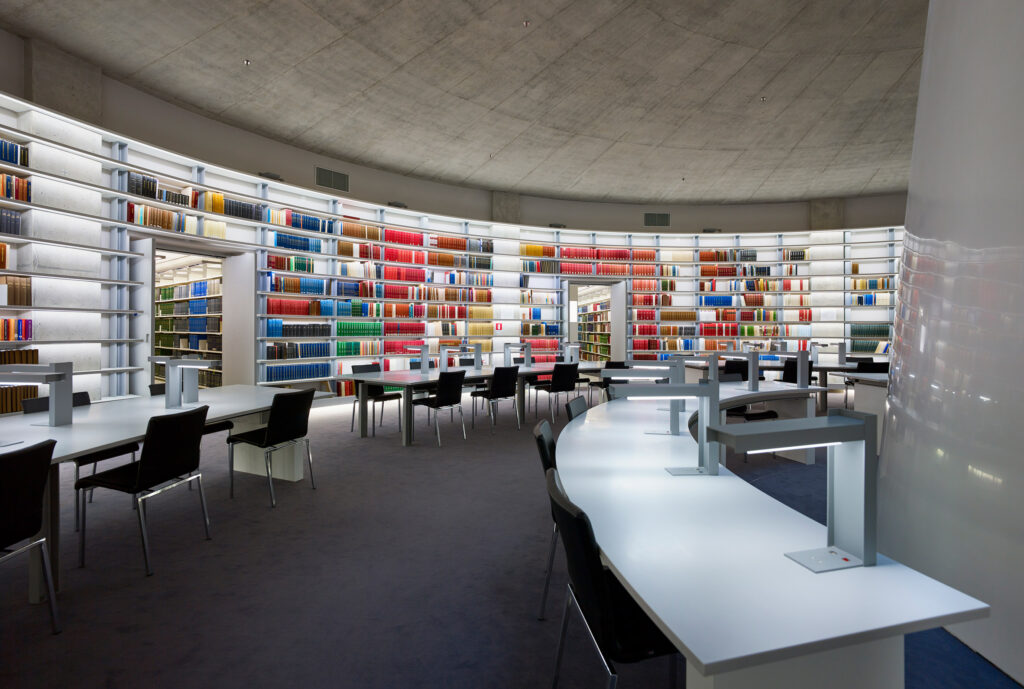
    The University of Cyprus Library, «Stelios Ioannou» Learning Resource Center, was completed in 2018 and designed by the distinguished architect Jean Nouvel. Covering 15,700 sq.m., the building rises as an artificial hill, inspired by the landscape and specifically by the Arona Hill. Its exterior colored membrane harmonizes with the surroundings and provides shading. The circular geometry and flowing layout create a unified, dynamic interior, while natural light, directed through the heliostat, reflects off the internal cone and spreads across the reading areas, highlighting the building’s energy efficiency and its significance as a contemporary architectural work.

    Photos: Yiorgis Yerolymbos

  • OLYMPIC HOUSE AND PARK

    OLYMPIC HOUSE AND PARK

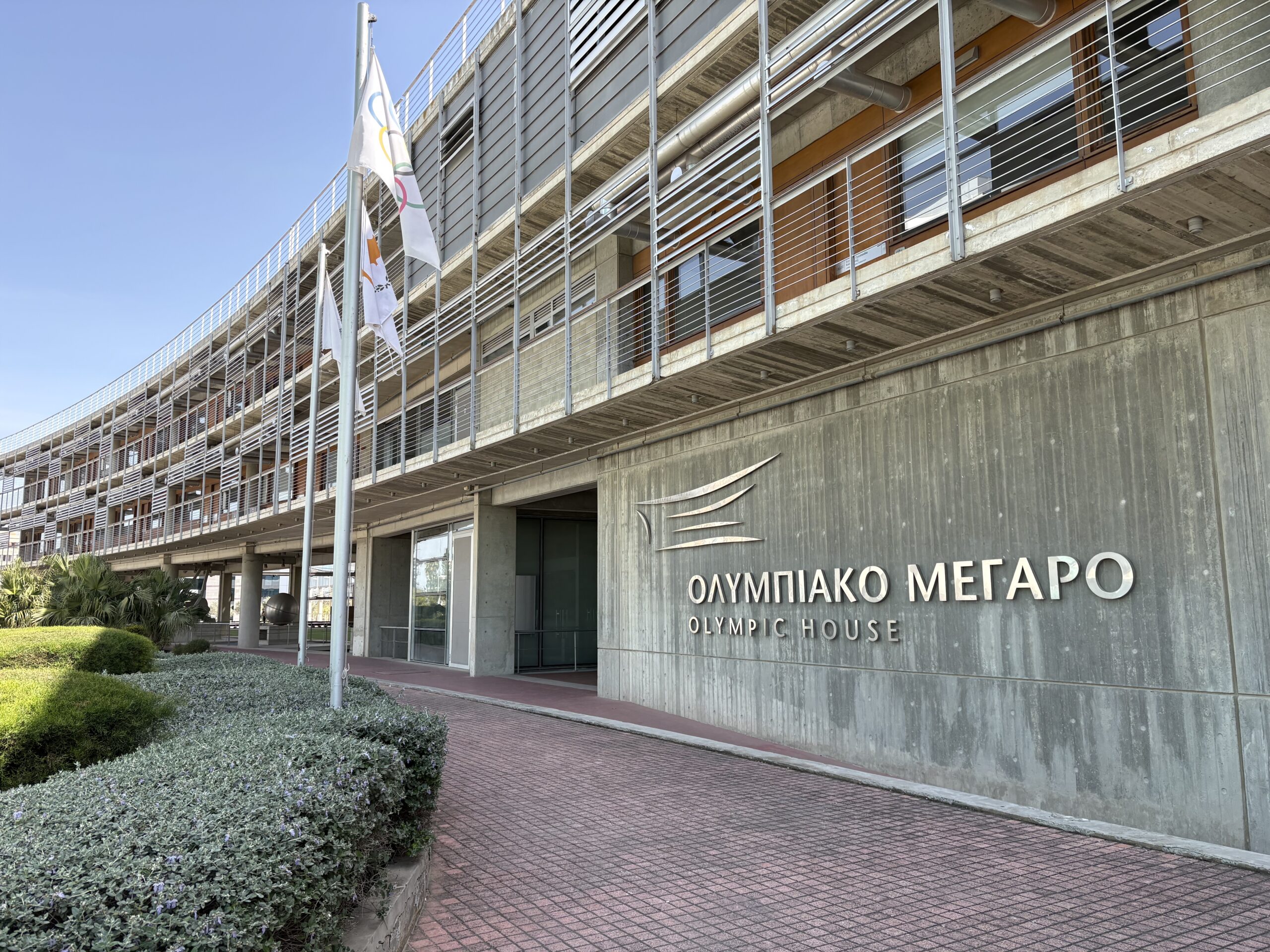
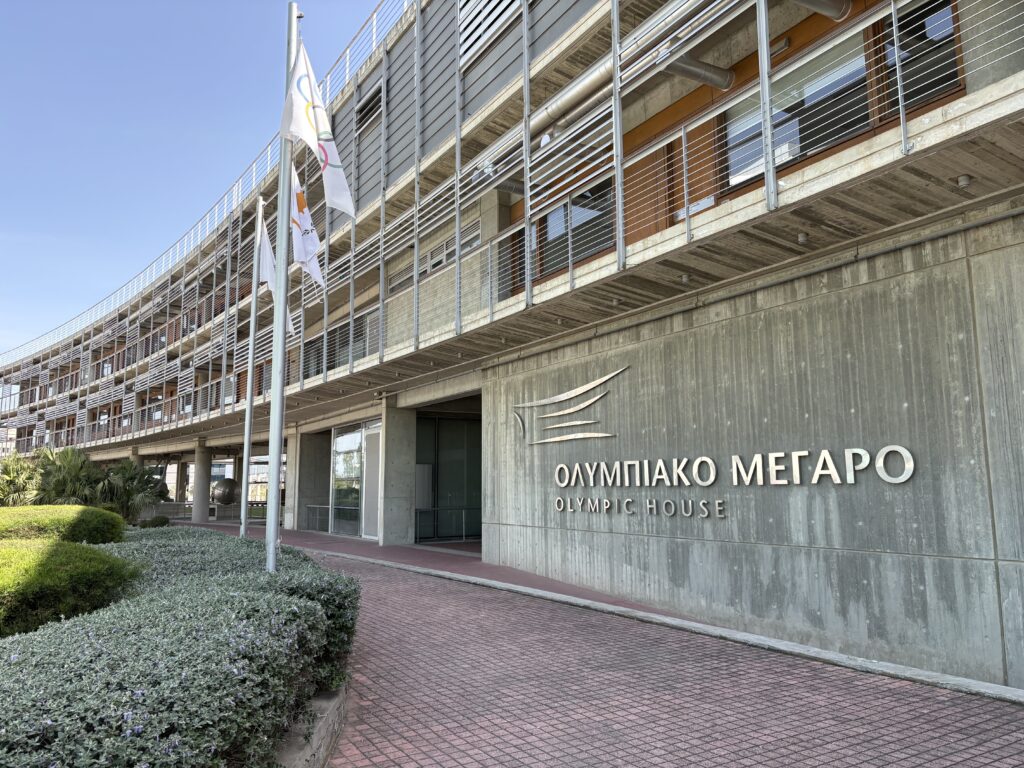
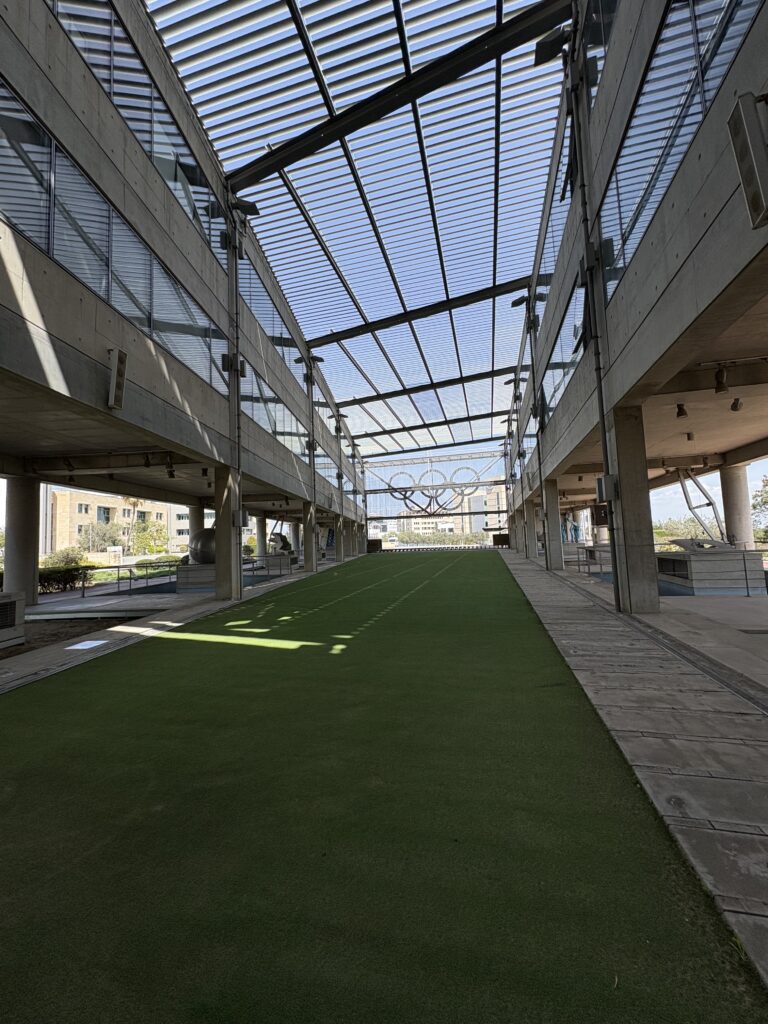
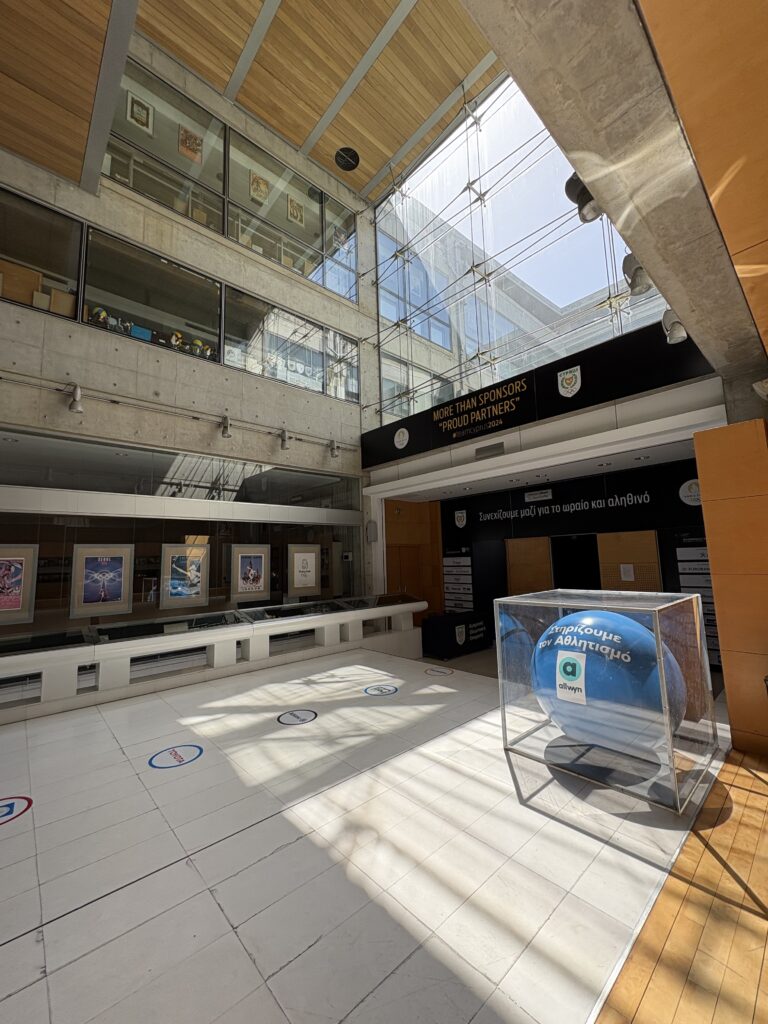
    The Olympic House and Park in Nicosia is the result of an architectural competition, designed by architects Eleftheria Sergidou and Vassilis Pasiourtides. The project expresses the Olympic ideal by combining not only a building but also a park, where historical memory, universality, and the unity of body and mind are translated into space. A central feature is the internal atrium, which organizes circulation and enhances transparency, while the interpenetration of natural and built environments creates a unified spatial experience.

    Photos: Open House Nicosia

  • THE LEVENTIS MUNICIPAL MUSEUM OF NICOSIA

    THE LEVENTIS MUNICIPAL MUSEUM OF NICOSIA

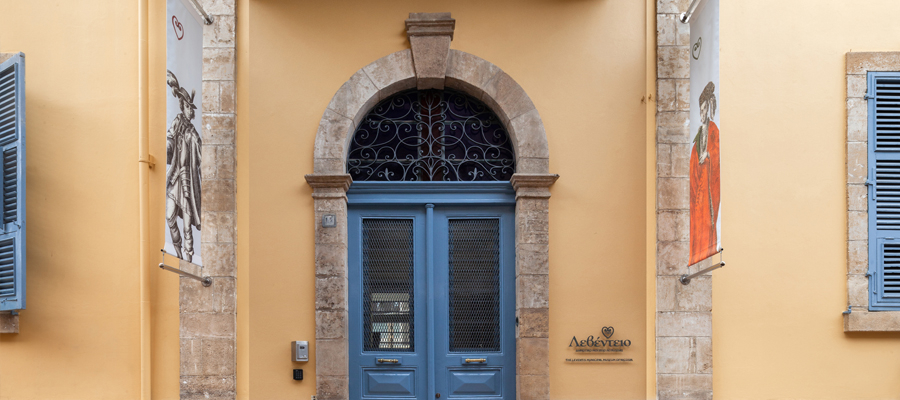
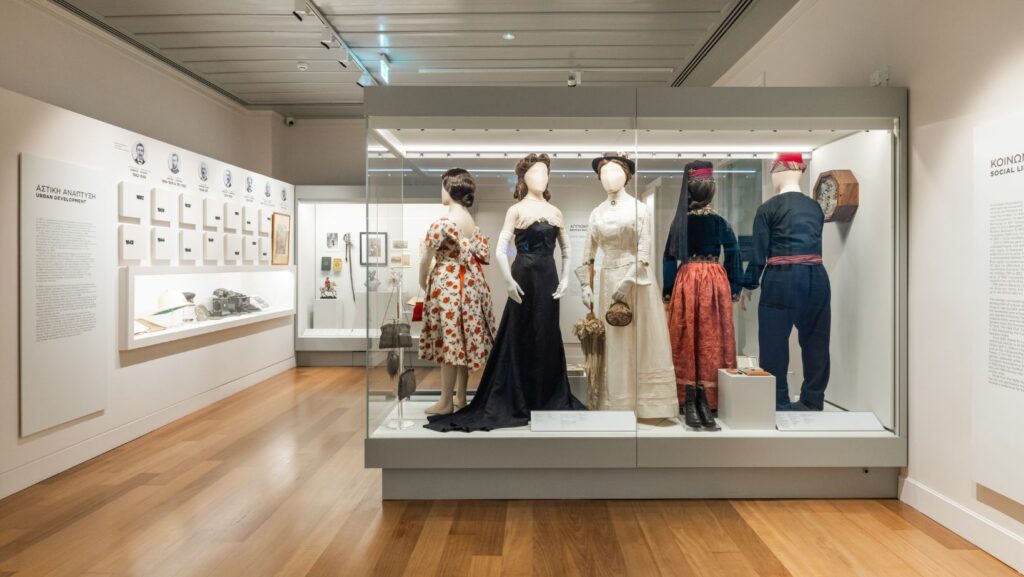
    The Leventis Municipal Museum of Nicosia is housed in a complex of three 19th-century neoclassical buildings, originally constructed as private residences for affluent families. Over time, the buildings underwent various transformations, accommodating residential, commercial, and other uses, reflecting the evolving history of the city. In the late 20th century, the complex was restored and adaptively reused as a museum, which opened in 1989. Today, through a rich collection of over 10,000 objects—including maps, documents, paintings, and costumes, the museum narrates the history of Nicosia from prehistoric times to the present. It also functions as an active cultural institution, offering exhibitions and educational programs. In 1991, it was awarded the European Museum of the Year Award.

    Photos: The Leventis Municipal Museum of Nicosia

  • THE CYPRUS ETHNOLOGICAL MUSEUM (THE HADJIGEORGAKIS KORNESIOS MANSION)

    THE CYPRUS ETHNOLOGICAL MUSEUM (THE HADJIGEORGAKIS KORNESIOS MANSION)

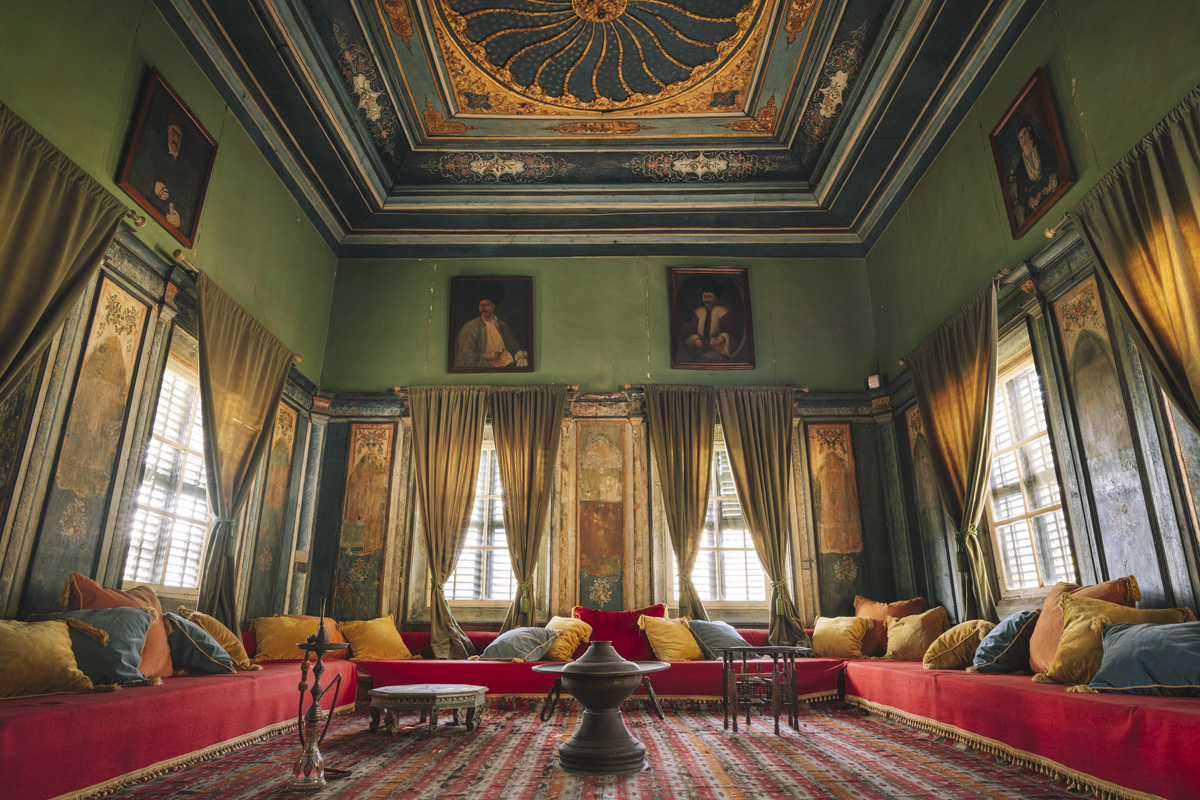
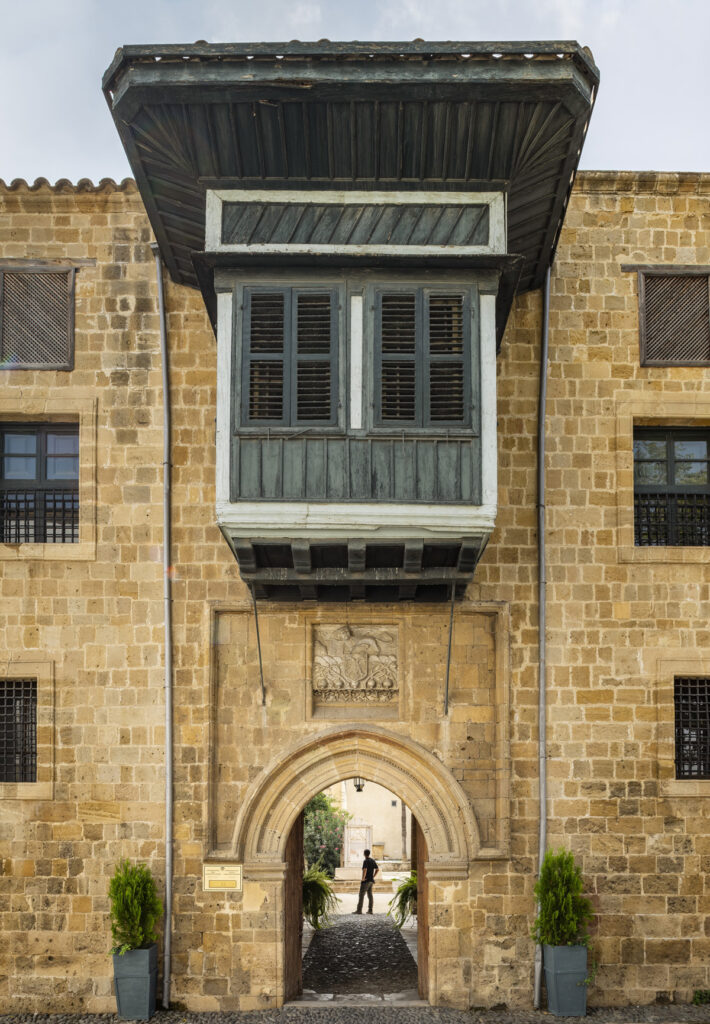
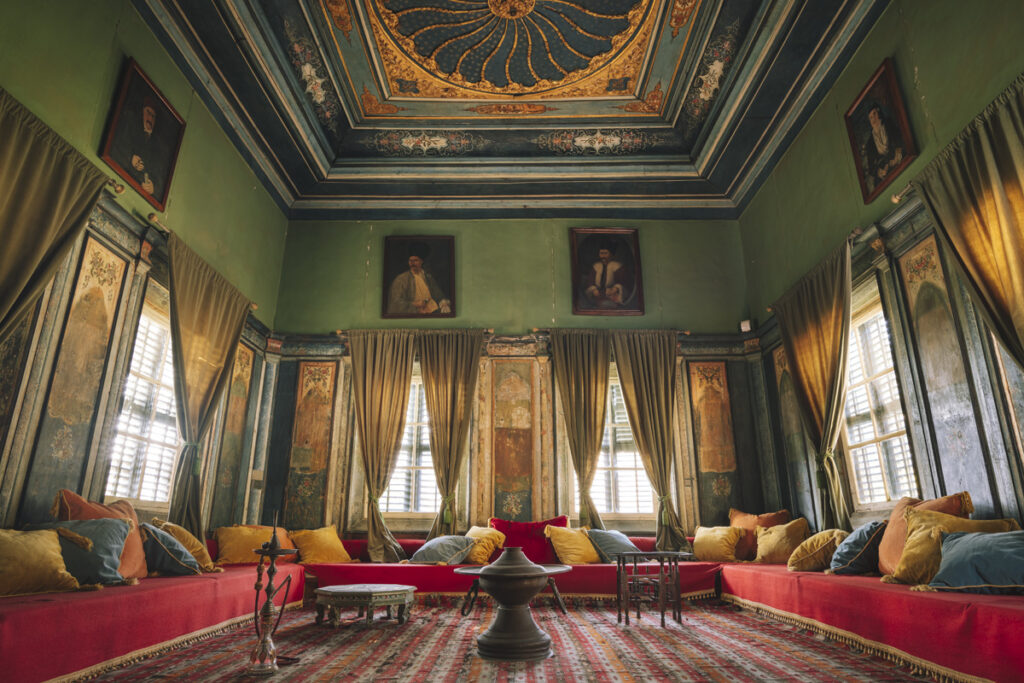
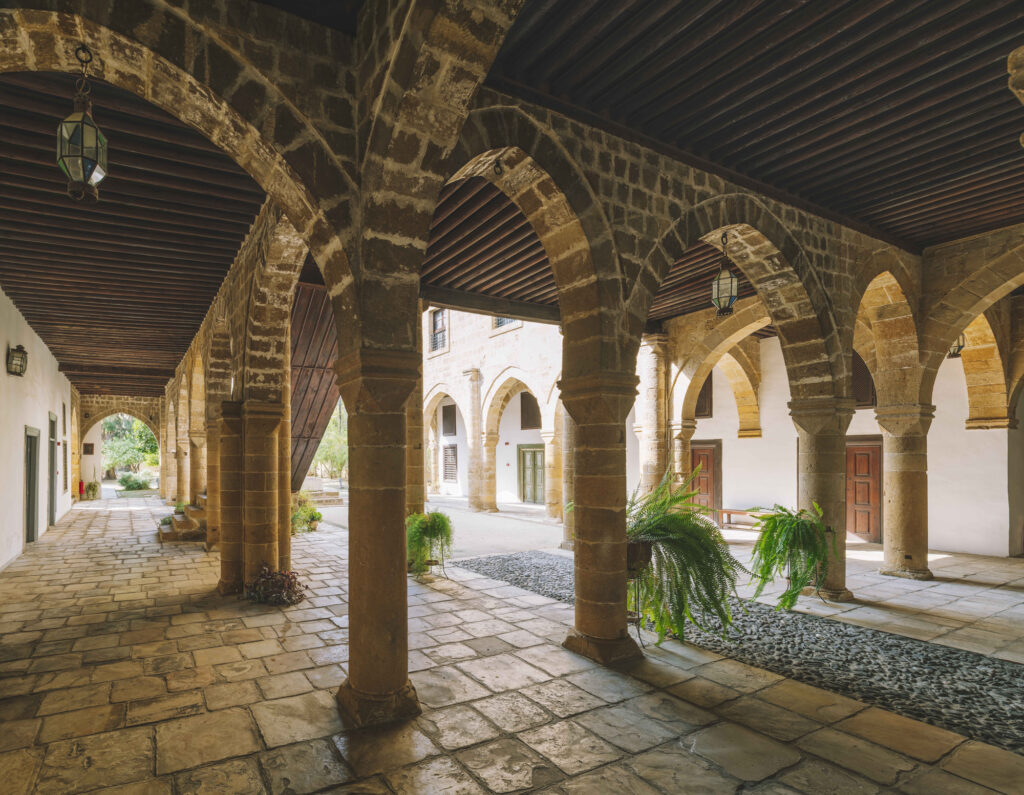
    The Mansion of Hadjigeorgakis Kornesios is one of the most significant examples of urban architecture from the Ottoman period in Nicosia. It is located within the walls of the Old City, near the Archbishop’s Palace, in the parish of Saint Antonios—an area traditionally associated with the residence of the affluent Greek population.

    Of particular interest is its architectural typology, which refers to mansions of the medieval period. This characteristic is further supported by the tradition that the building was erected on the site of an earlier, possibly medieval, residence.
    Repair and maintenance works on parts of the mansion have been carried out periodically by the Department of Antiquities since 1949. The most extensive and comprehensive conservation and restoration project began in 1981. The final restoration of the house was awarded the Europa Nostra prize, highlighting its importance as part of the cultural heritage.

    Photos: The Cyprus Ethnological Museum