Building Type: Educational

  • UNIC ARCHITECTURE RESEARCH CENTRE (ARC)

    UNIC ARCHITECTURE RESEARCH CENTRE (ARC)

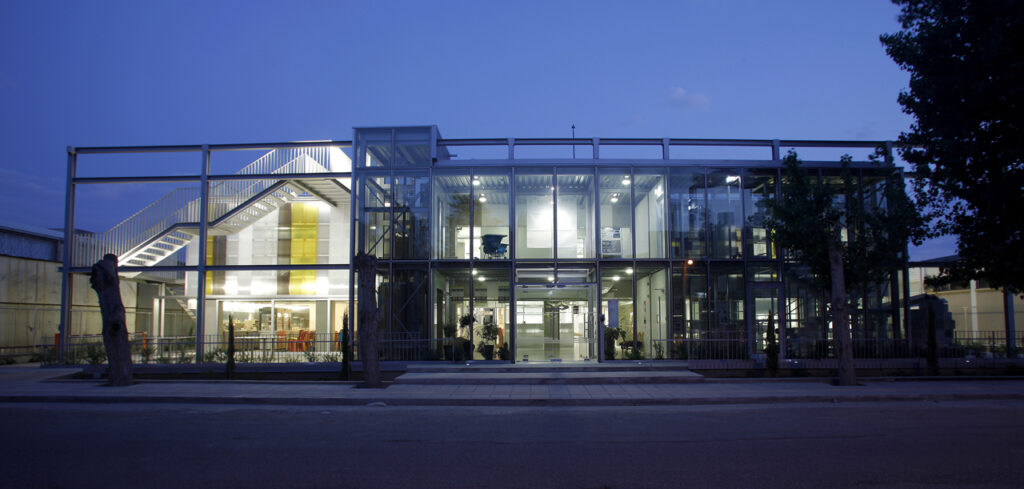
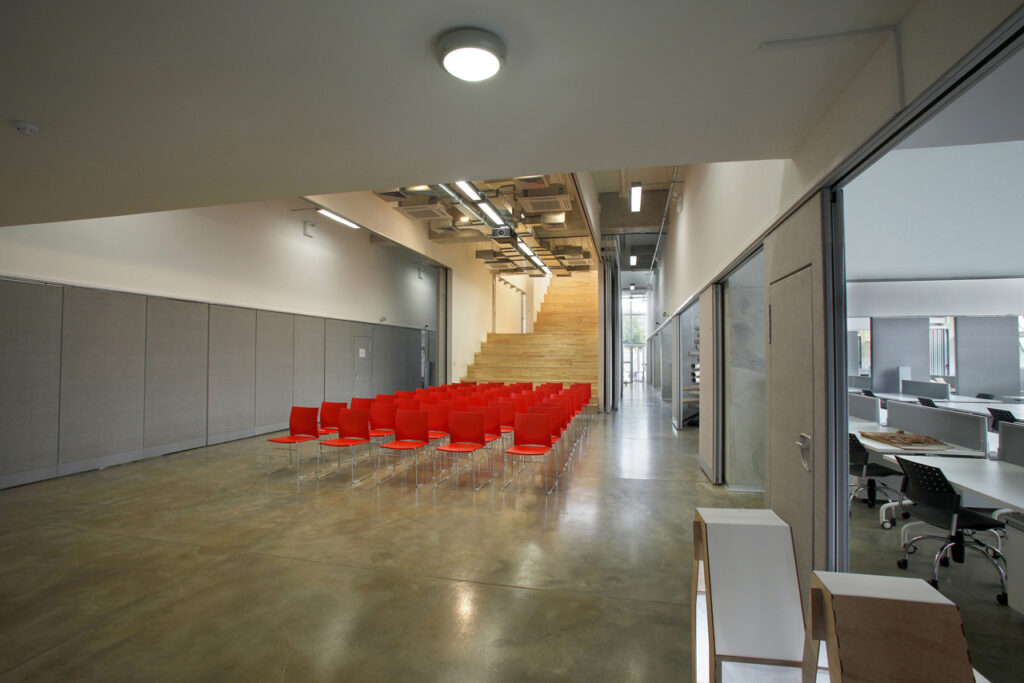
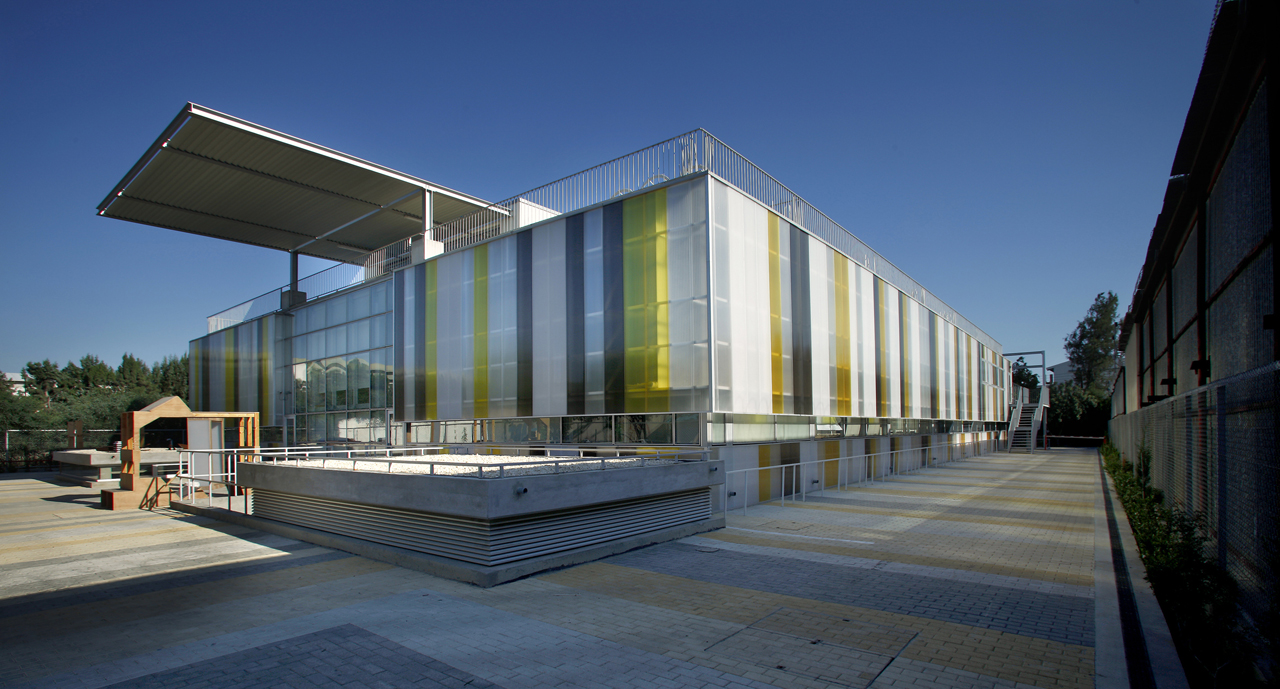
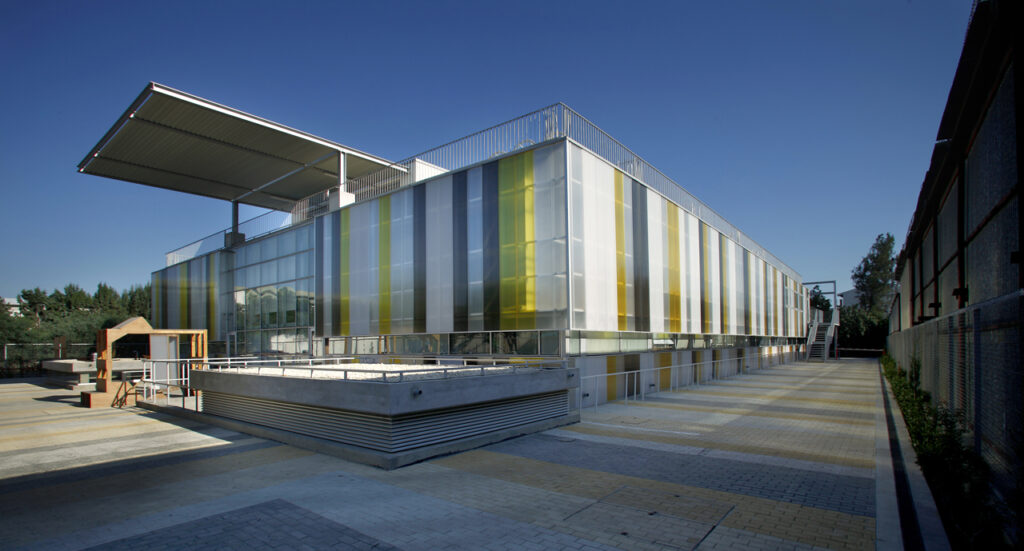
    Located within the adjacent, neglected industrial area of Engomi, with its many dilapidated factories, the project responds to a site defined by decay and abandonment.The University of Nicosia decided to accommodate the Architecture Department – ARC Architecture Research Center in an existing shoe factory within this industrial zone. It was designed by the architectural firm Yiorgos Hadjichristou Architects. The building envelope is treated with polycarbonate panels in soft colour tones, creating a controlled and pleasant interior light quality. This system is intended to be completed in the future with a shading layer of mesh and climbing vegetation. Moreover, the flexibility and transformability of the spaces play a key role in the building’s sustainable performance, allowing it to accommodate multiple functions within a single adaptable framework.

    Photos: Yiorgos Hadjichristou Architects
  • AIGAIA ART SCHOOL

    AIGAIA ART SCHOOL

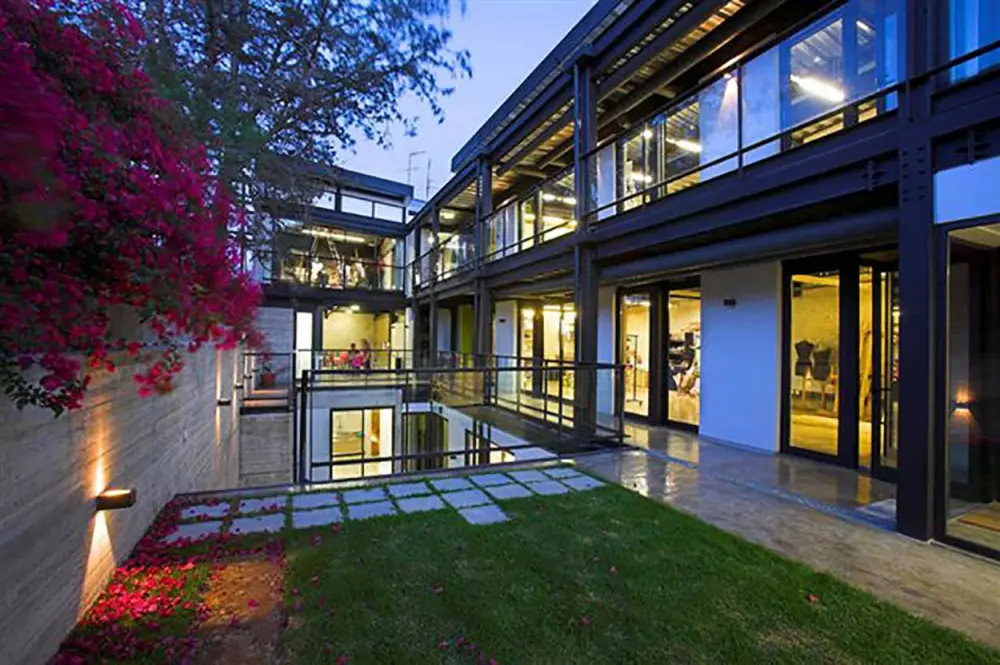
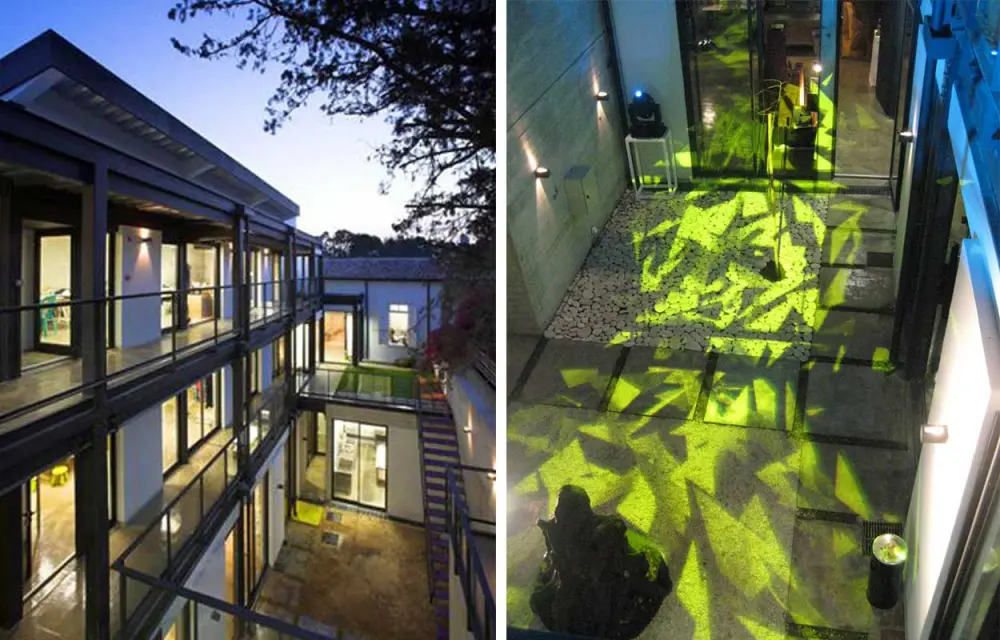
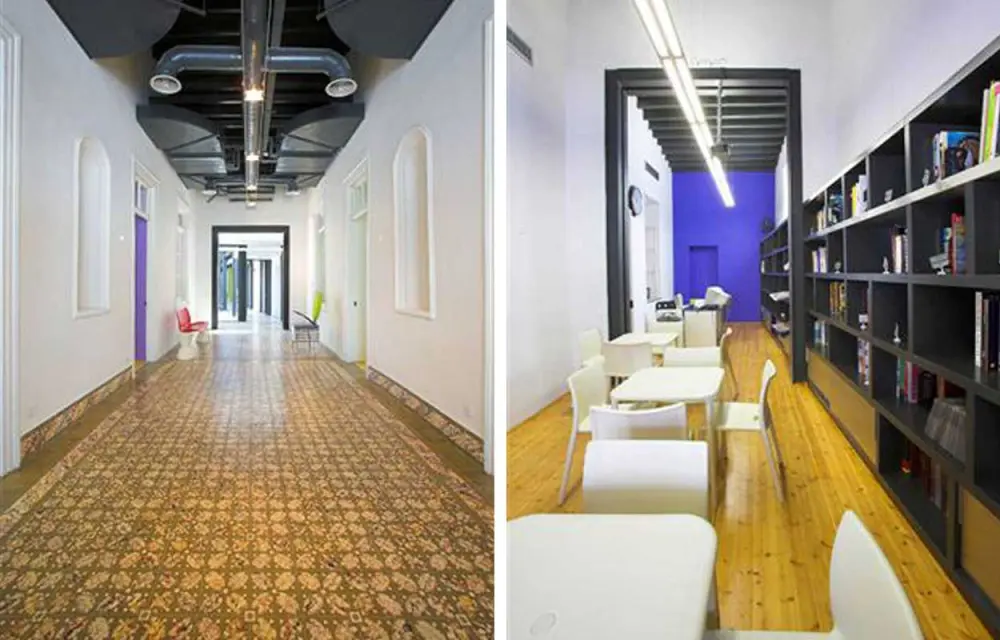
    Located In Ayioi Omologites neighbourhood, Aigaia Art School reinterprets an old mansion of 1922 through its careful restoration and its connection to a new three-storey steel structure to host the functions of the school. Conceived in a restrained palette of dark grey on white by the EPITESSERA ARCHITECTS, the extension evokes a black-and-white canvas as backdrop for artistic activity. A central courtyard organizes movement and functions across all levels, allowing light and air to permeate the building and material presence of its multiple historical layers to emerge.

    Photos: EPITESSERA ARCHITECTS

  • GOETHE-INSTITUT 

    GOETHE-INSTITUT 

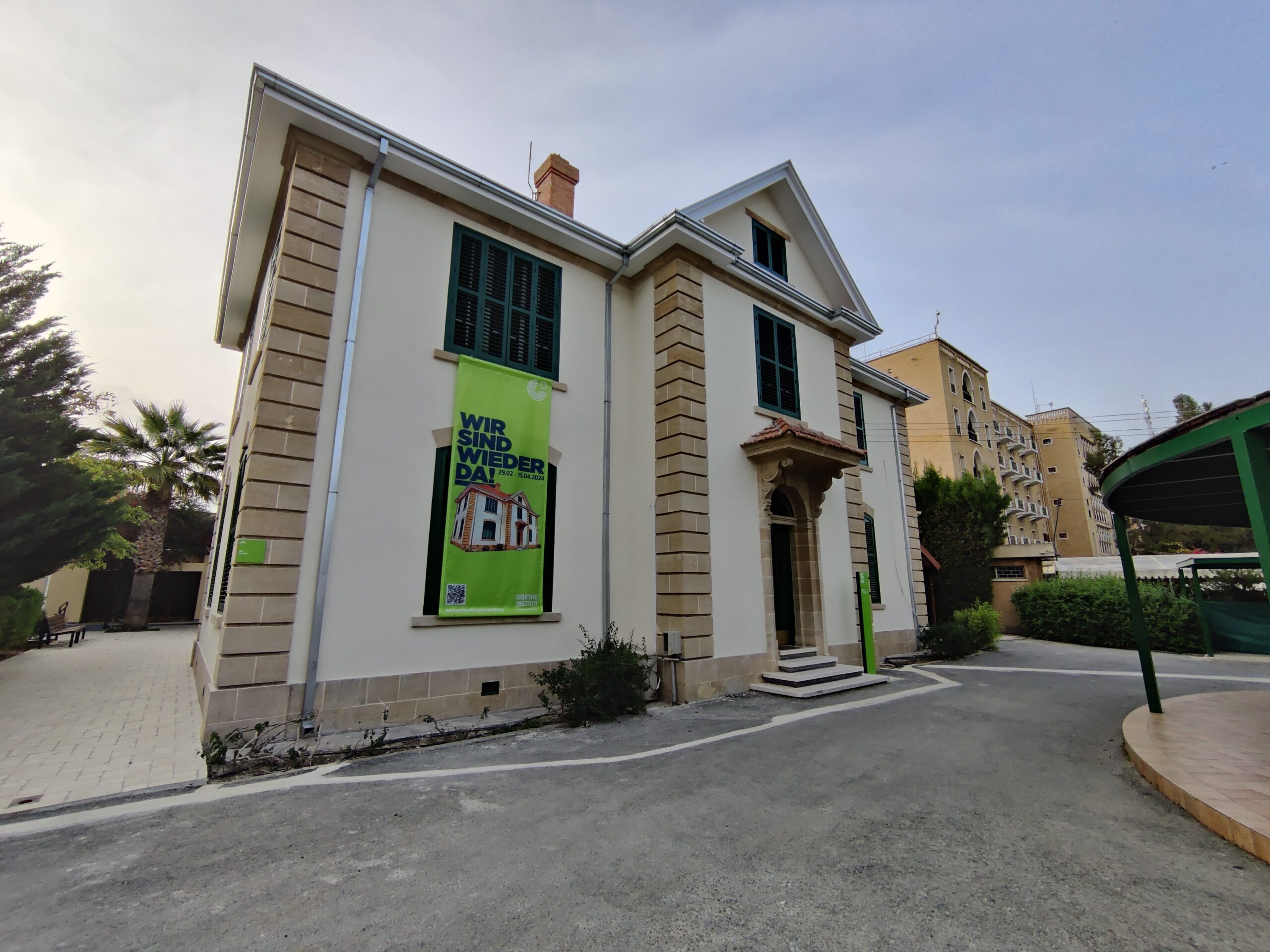
    The Goethe-Institut Nicosia, founded in 1961, is one of the oldest foreign institutes of its kind. Since 1963, it has been located within the Green Line, next to the former Ledra Palace Hotel, in a listed villa set within a garden in the Buffer Zone. This unique location, between the northern and southern parts of the island, has shaped the institute’s identity as a cultural meeting point. Over the decades, it has served as a space where people from across Cyprus come together through art, dialogue, and shared experiences. Despite the island’s division, the Goethe-Institut has remained a constant presence, fostering cultural exchange and collaboration, and contributing to a sense of connection across communities.

    Photos: Goethe-Institut

  • UNIVERSITY OF CYPRUS FACULTY OF ENGINEERING

    UNIVERSITY OF CYPRUS FACULTY OF ENGINEERING

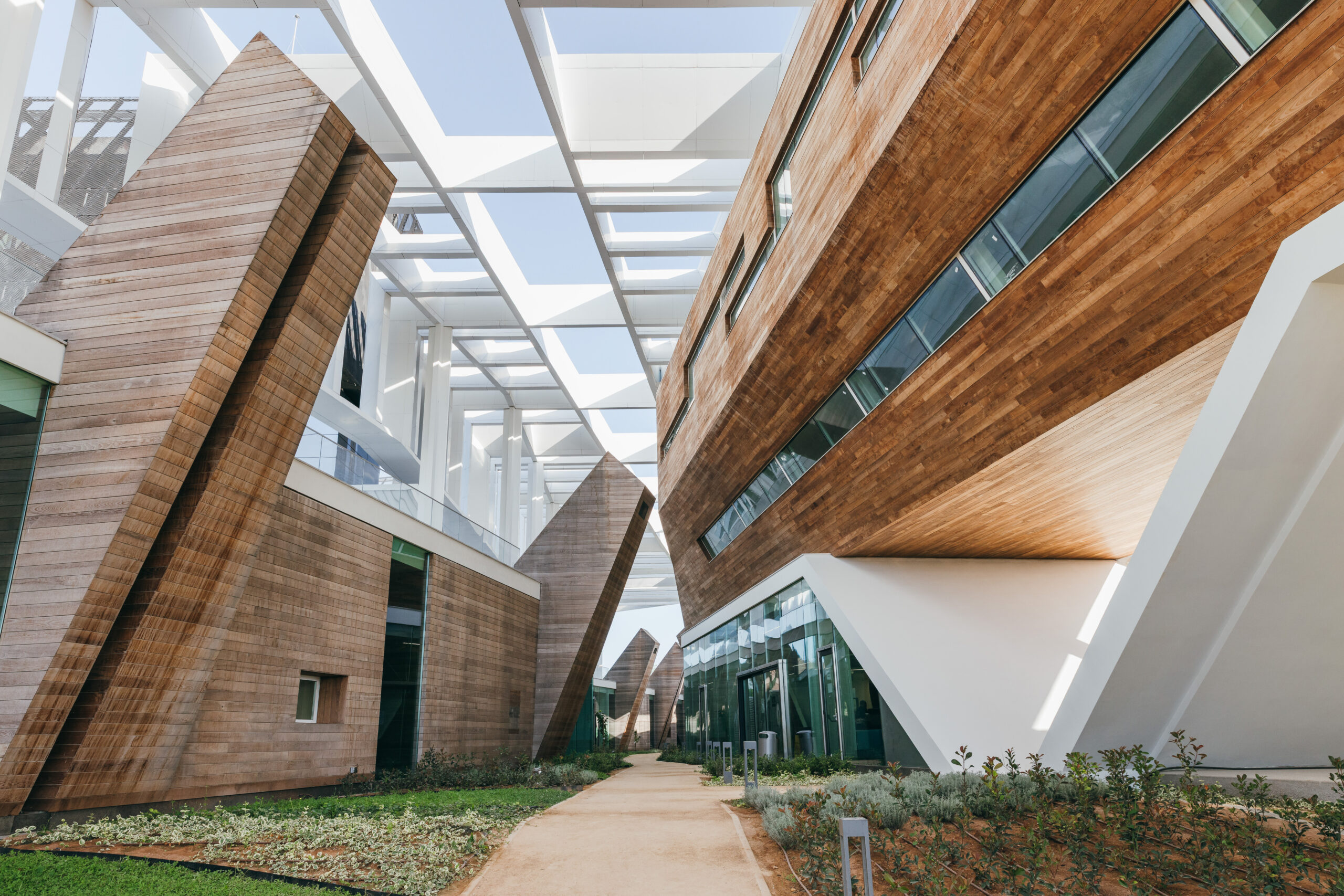
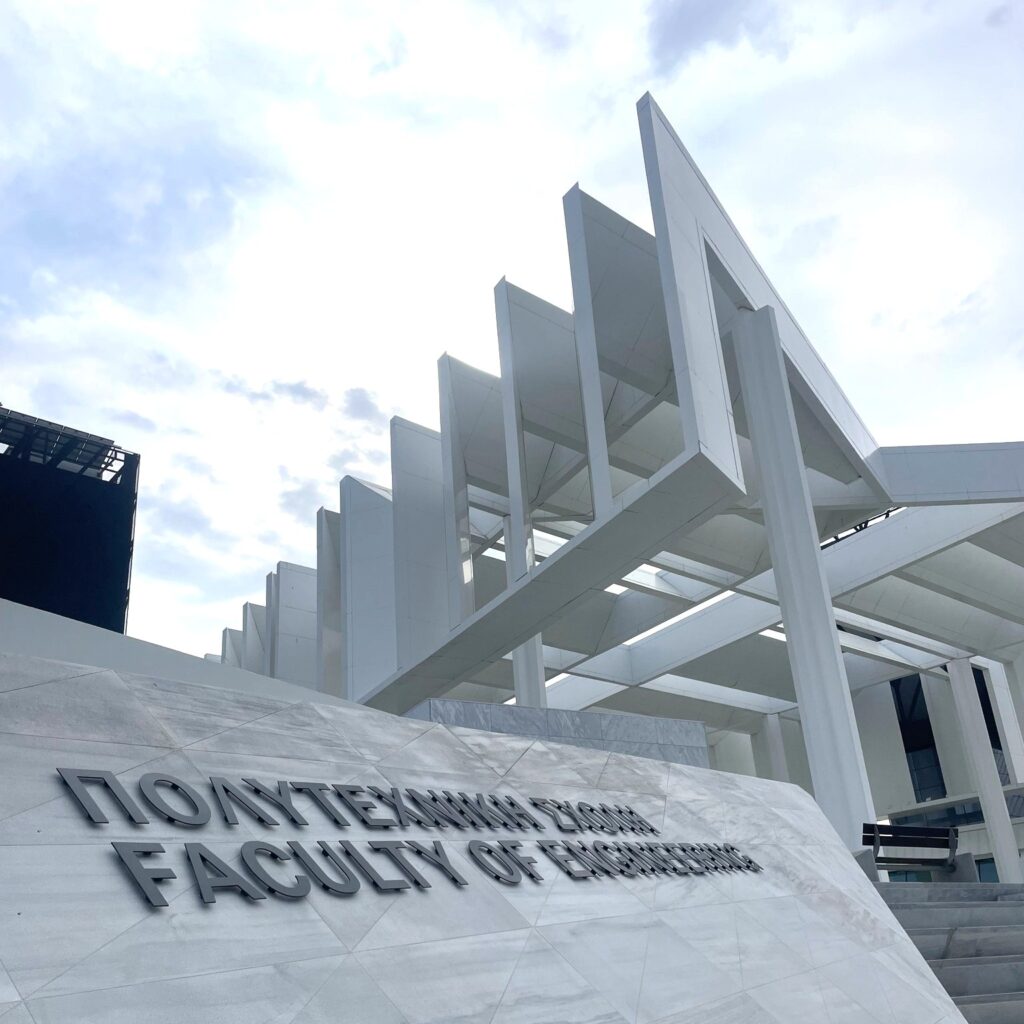
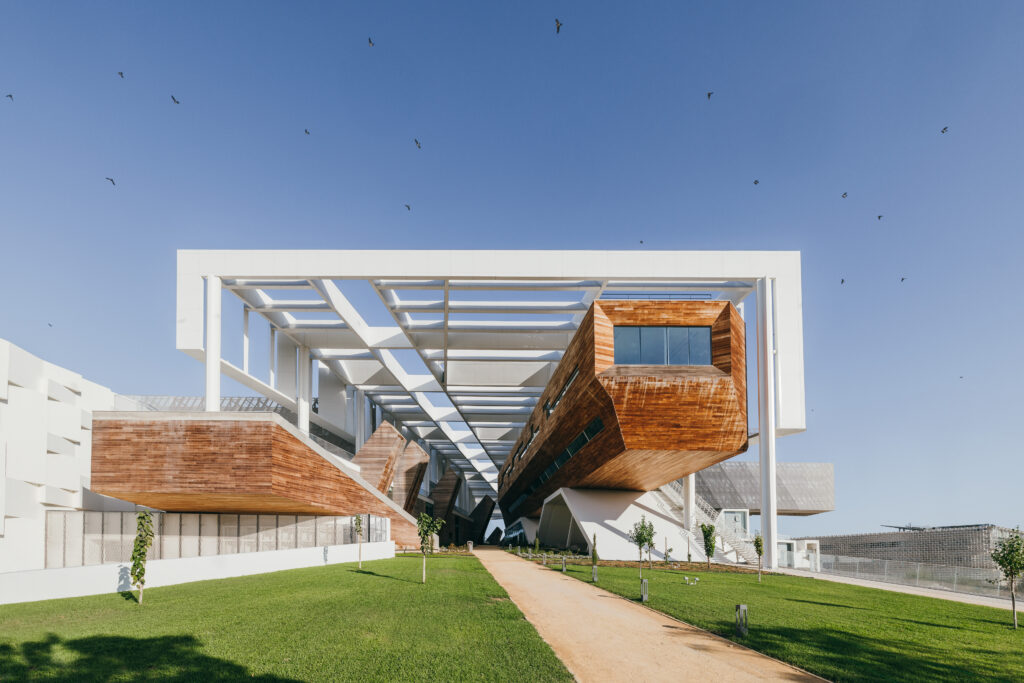
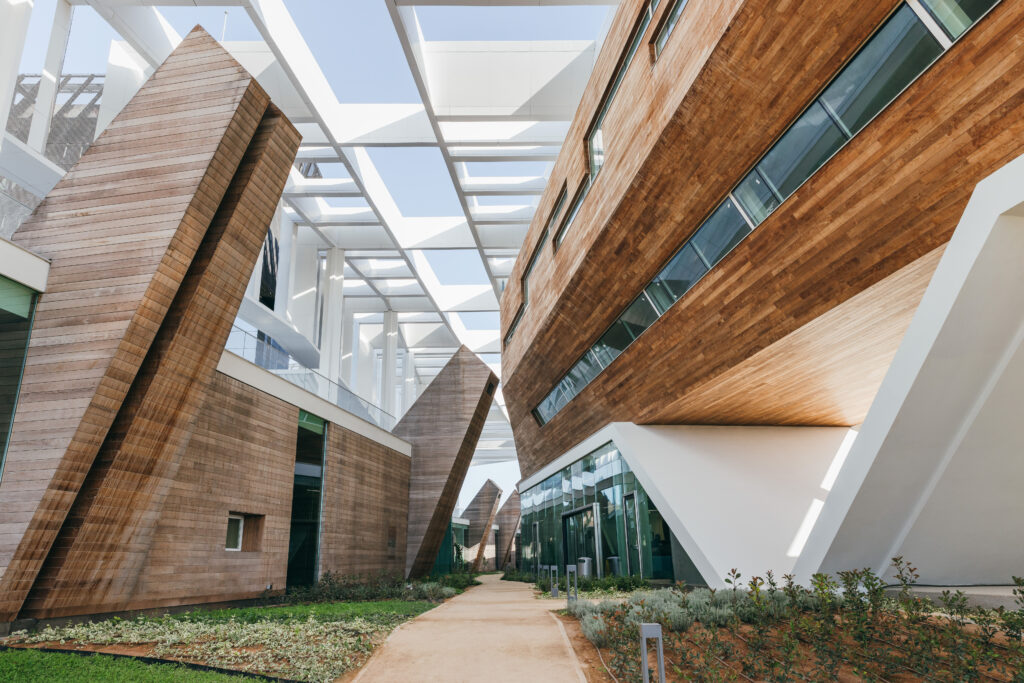
    The building of the Faculty of Engineering at the University of Cyprus is a landmark project resulting from an International Architectural Competition and designed by Hraklis Papachristou, Chrysanthos Chrysanthou, and Anastasios Kotsiopoulos. Developed as three distinct towers and spanning approximately 35,000 m², the structure reflects the unique identity of each Department while facilitating the flow of users and the creation of gathering spaces, public areas, plazas, and green zones. It embodies a contemporary architectural language and sustainable design solution, showcasing the Faculty’s commitment to sustainability, innovation, and research excellence.

    Photos: University of Cyprus